Breaking Down Misconceptions: The Real Impact of Gardening on Rehabilitation


Understanding the Role of Gardening in Rehabilitation
Gardening is often perceived as a leisurely activity, a way to beautify one's surroundings or cultivate fresh produce. However, its potential impact on rehabilitation is frequently overlooked. Recent studies and real-life experiences suggest that gardening can play a pivotal role in the recovery process for individuals facing various challenges.
The therapeutic benefits of gardening have been recognized by healthcare professionals and rehabilitation centers worldwide. By incorporating gardening into rehabilitation programs, patients experience not only physical improvements but also psychological and emotional growth.
Physical Benefits of Gardening
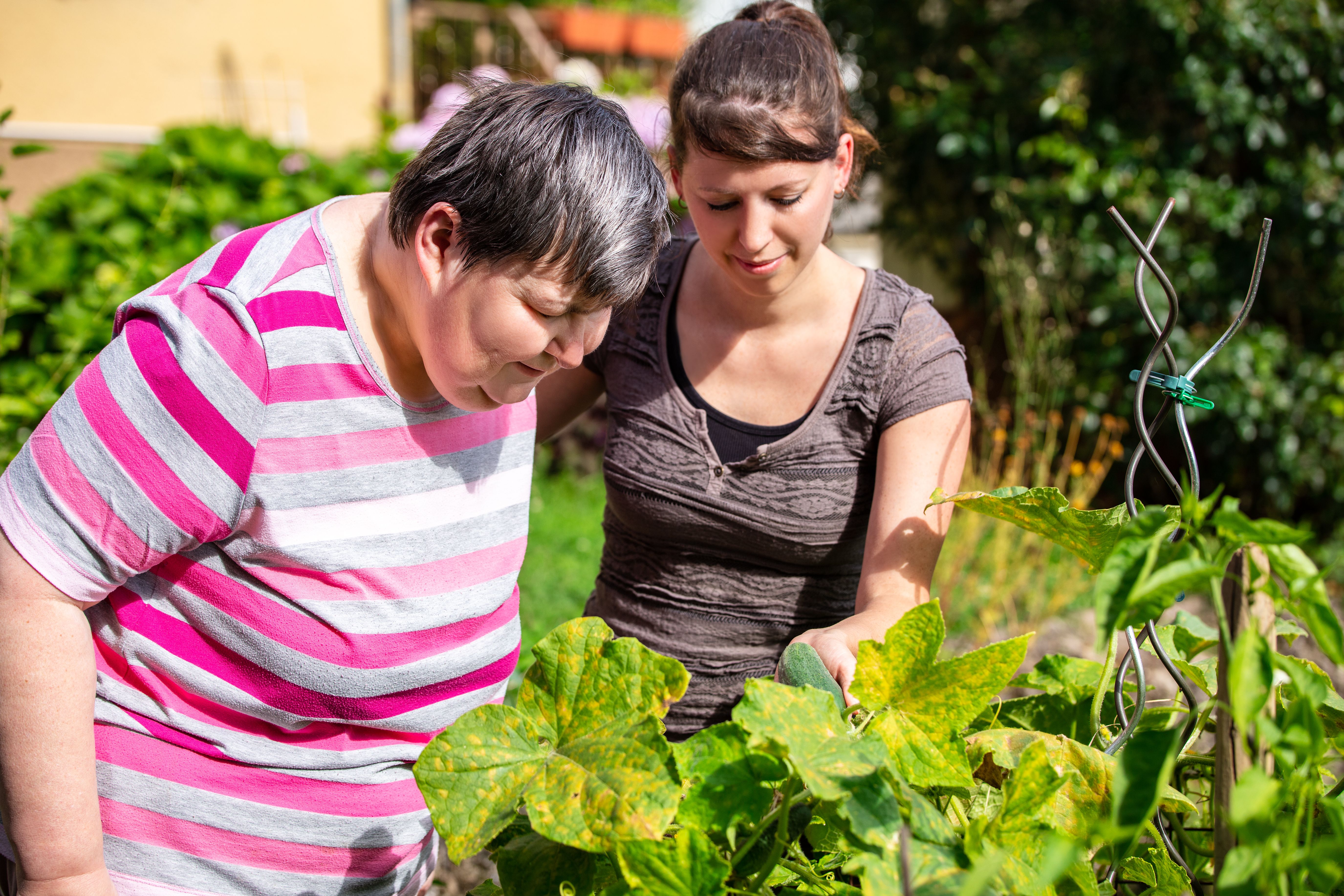
Engaging in gardening activities can significantly aid physical rehabilitation. Tasks such as planting, weeding, and watering require the use of different muscle groups, promoting mobility and strength. For those recovering from injuries or surgeries, these activities provide a way to gradually rebuild physical capabilities.
Moreover, gardening can improve fine motor skills and coordination. Handling small tools and seeds requires precision, which can be particularly beneficial for individuals recovering from strokes or neurological conditions, helping them regain control over their movements.
Psychological and Emotional Healing
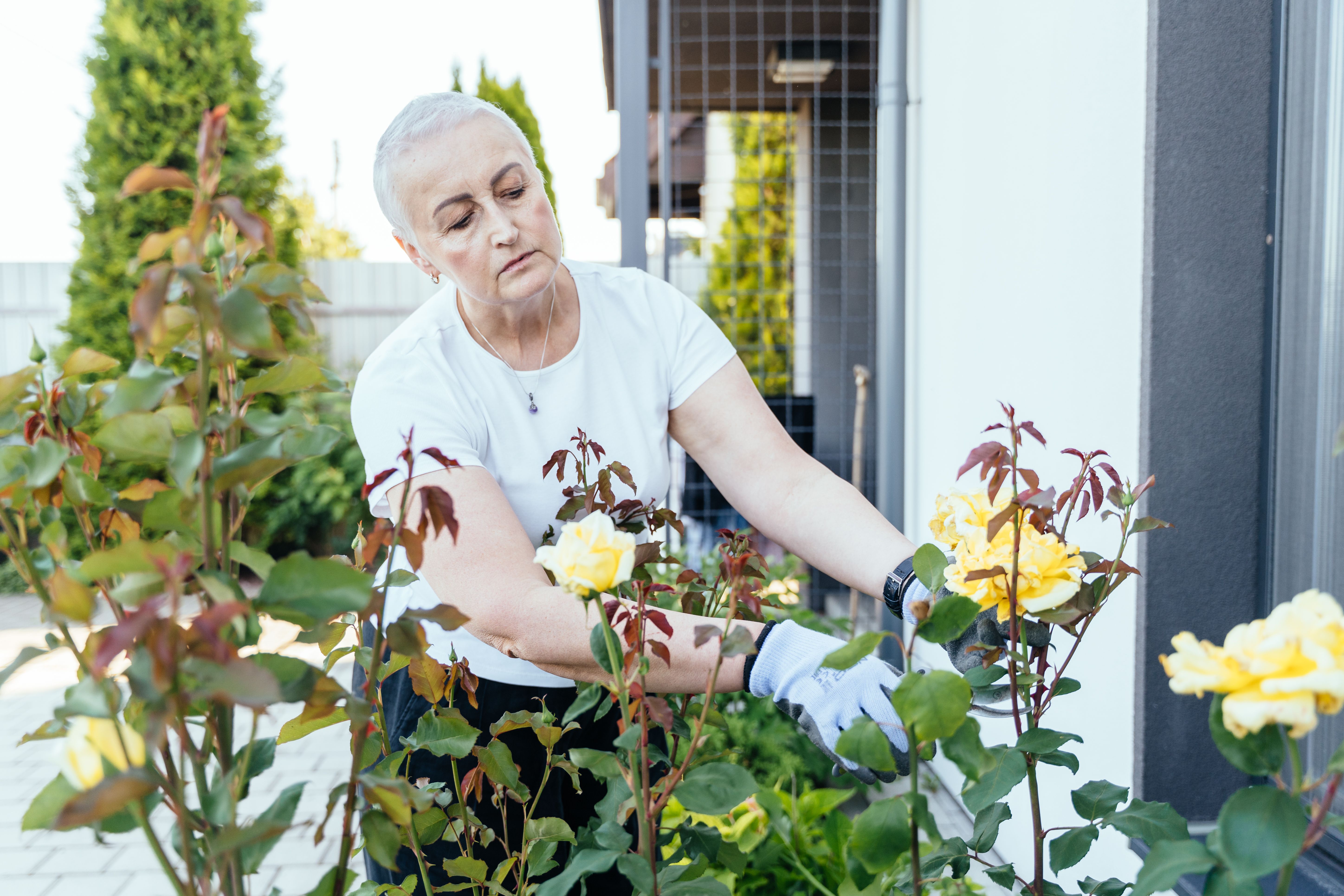
Gardening is not just about physical recovery; it also offers substantial psychological benefits. The act of nurturing plants and seeing them grow can provide a sense of purpose and accomplishment. This process can be incredibly empowering for individuals who may feel a loss of control over their lives due to their conditions.
Furthermore, gardening reduces stress and anxiety. The calming nature of being outdoors, combined with the repetitive tasks involved in gardening, can lead to a meditative state, fostering mental well-being and reducing symptoms of depression.
Social Connections and Community Building
Gardening can also enhance social connections, an essential component of rehabilitation. Community gardens or group gardening projects encourage social interaction and collaboration, helping individuals build relationships and a sense of belonging.
- Shared experiences in gardening can foster empathy and understanding among participants.
- Working together towards a common goal enhances teamwork and communication skills.
- Community gardens often become focal points for social events and gatherings, further strengthening social ties.
Overcoming Misconceptions
Despite the clear benefits, misconceptions about gardening in rehabilitation persist. Some view it as merely a pastime with little therapeutic value. However, the growing body of evidence supports its efficacy as a complementary therapy.
It's essential to recognize that gardening is not a one-size-fits-all solution. Each individual's needs and abilities should be considered when incorporating gardening into a rehabilitation program, ensuring that activities are tailored to provide maximum benefit.
Conclusion
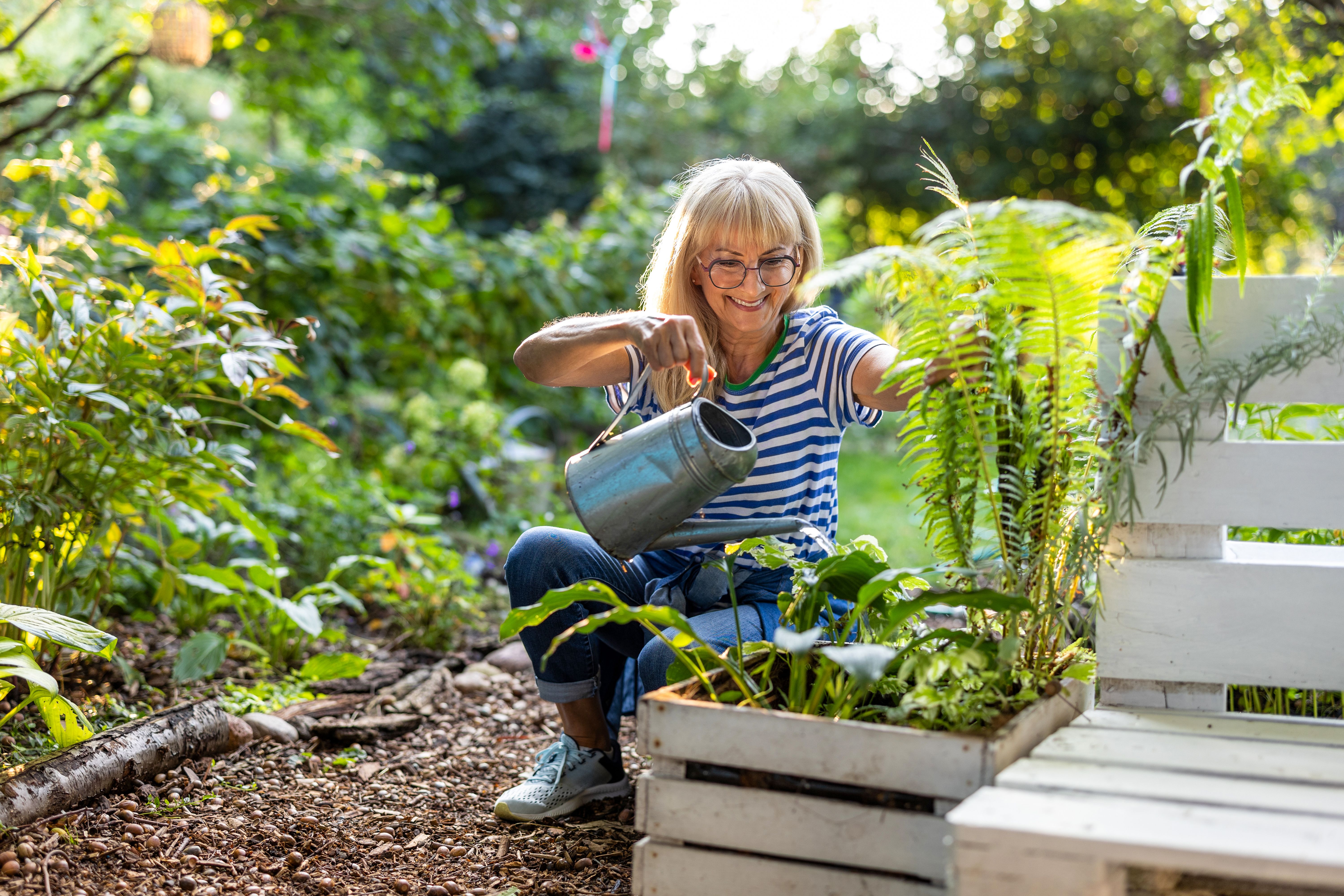
Incorporating gardening into rehabilitation programs offers a multifaceted approach to recovery, addressing physical, psychological, and social aspects. By breaking down misconceptions and understanding its true impact, we can harness the full potential of gardening to aid in rehabilitation and improve the quality of life for countless individuals.