Comparing Garden Therapy Programs: What Makes Branford's Unique?


Understanding Garden Therapy Programs
Garden therapy programs are becoming increasingly popular as a form of holistic healing. These programs harness the therapeutic benefits of gardening to improve mental and physical health. Participants engage in planting, nurturing, and harvesting plants, which can lead to reduced stress, enhanced mood, and increased physical activity.
While many garden therapy programs share common goals, each has unique features that set it apart. This post explores what makes Branford's garden therapy program distinct from others.

The Core Elements of Garden Therapy
Most garden therapy programs focus on a few core elements: connection with nature, physical activity, and community involvement. By working with plants and soil, participants can experience a sense of achievement and purpose. Programs are often tailored to specific groups, such as seniors, veterans, or individuals with disabilities, to address their unique needs.
Branford's program is no exception, but it offers some unique approaches that enhance its effectiveness and appeal.
Branford's Unique Approach
Branford's garden therapy program stands out due to its integration of mindfulness practices. Participants are encouraged to engage in mindful gardening, paying close attention to the sensory experiences of touch, smell, and sight. This practice can deepen the therapeutic effects, promoting a greater sense of calm and presence.
Additionally, Branford emphasizes sustainability and environmental education, teaching participants about eco-friendly gardening practices. This added layer of education empowers participants to apply sustainable methods in their own lives.

Community and Social Connections
Another unique aspect of Branford's program is its strong focus on community building. By fostering a sense of belonging and teamwork, participants form meaningful connections with one another. This social aspect is a powerful component of the therapy, as it can reduce feelings of isolation and improve overall well-being.
Branford organizes community events, workshops, and volunteer opportunities, allowing participants to engage with the wider community. This not only enhances the therapeutic experience but also strengthens community ties.
Tailored Experiences for Diverse Groups
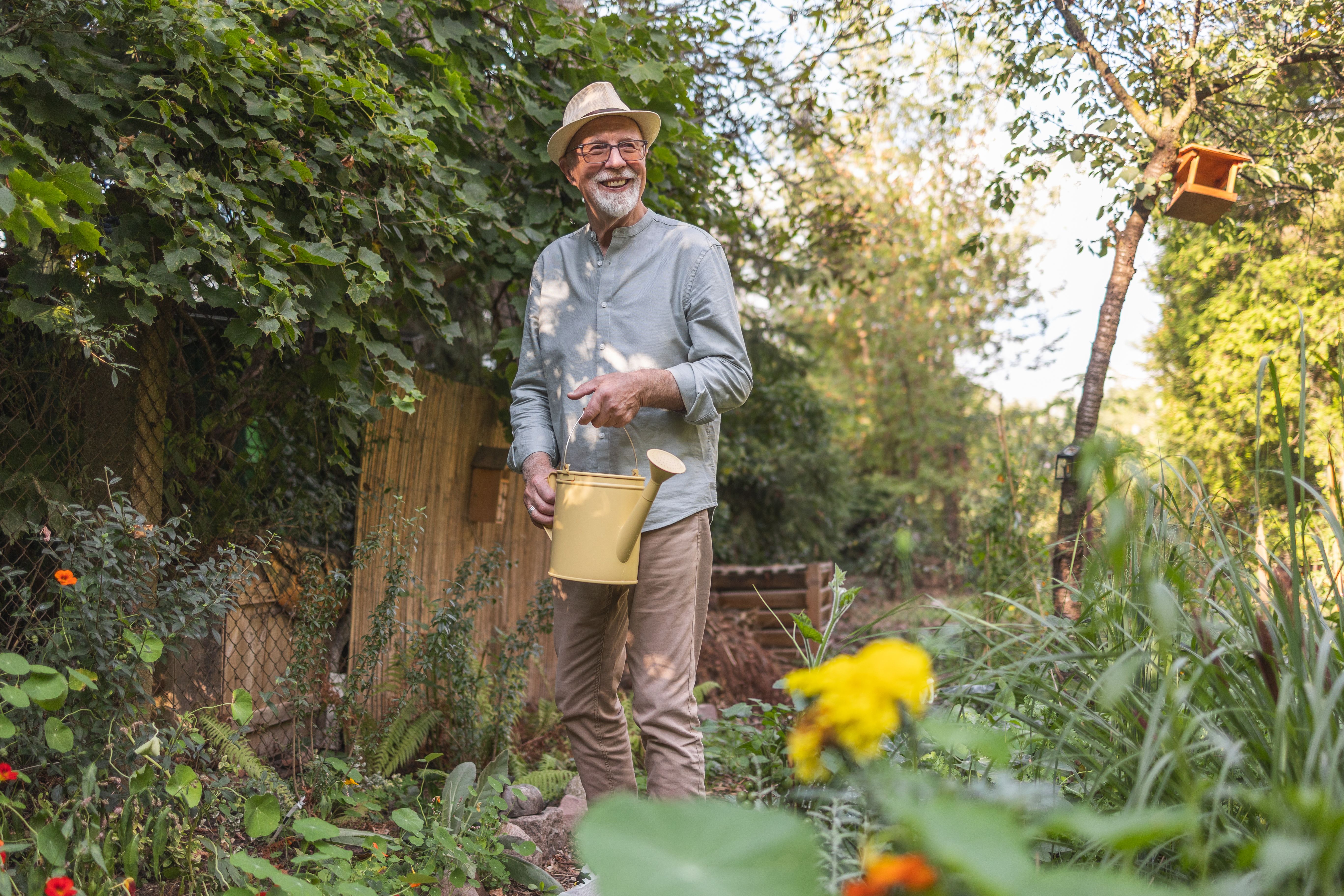
Branford's program also offers tailored experiences for diverse groups. By addressing the specific needs of different demographics, such as children, the elderly, or individuals recovering from trauma, the program ensures that all participants can benefit fully from the therapy.
Customized activities and workshops are designed to address the unique challenges each group may face, providing a more personalized and impactful experience.
Measuring Success and Impact
To continually improve and validate its effectiveness, Branford's program incorporates regular assessments and feedback from participants. By measuring outcomes like mood improvement, physical health, and social engagement, the program can adapt and evolve to better serve its participants.
This commitment to continuous improvement is one of the reasons Branford's garden therapy program maintains its reputation as a leader in the field.
In conclusion, while many garden therapy programs share common goals, Branford's unique approach—emphasizing mindfulness, sustainability, community connection, and tailored experiences—sets it apart. These distinctive elements contribute to a rich, rewarding experience that resonates with participants long after they leave the garden.