Creating a Garden Pathway: Step-by-Step Guide for Rehabilitation Programs


Introduction to Garden Pathways in Rehabilitation Programs
Creating a garden pathway can be a transformative project for rehabilitation programs, offering a serene and therapeutic environment for individuals on their recovery journey. Garden pathways are not just functional; they can also symbolize the path to healing and growth.
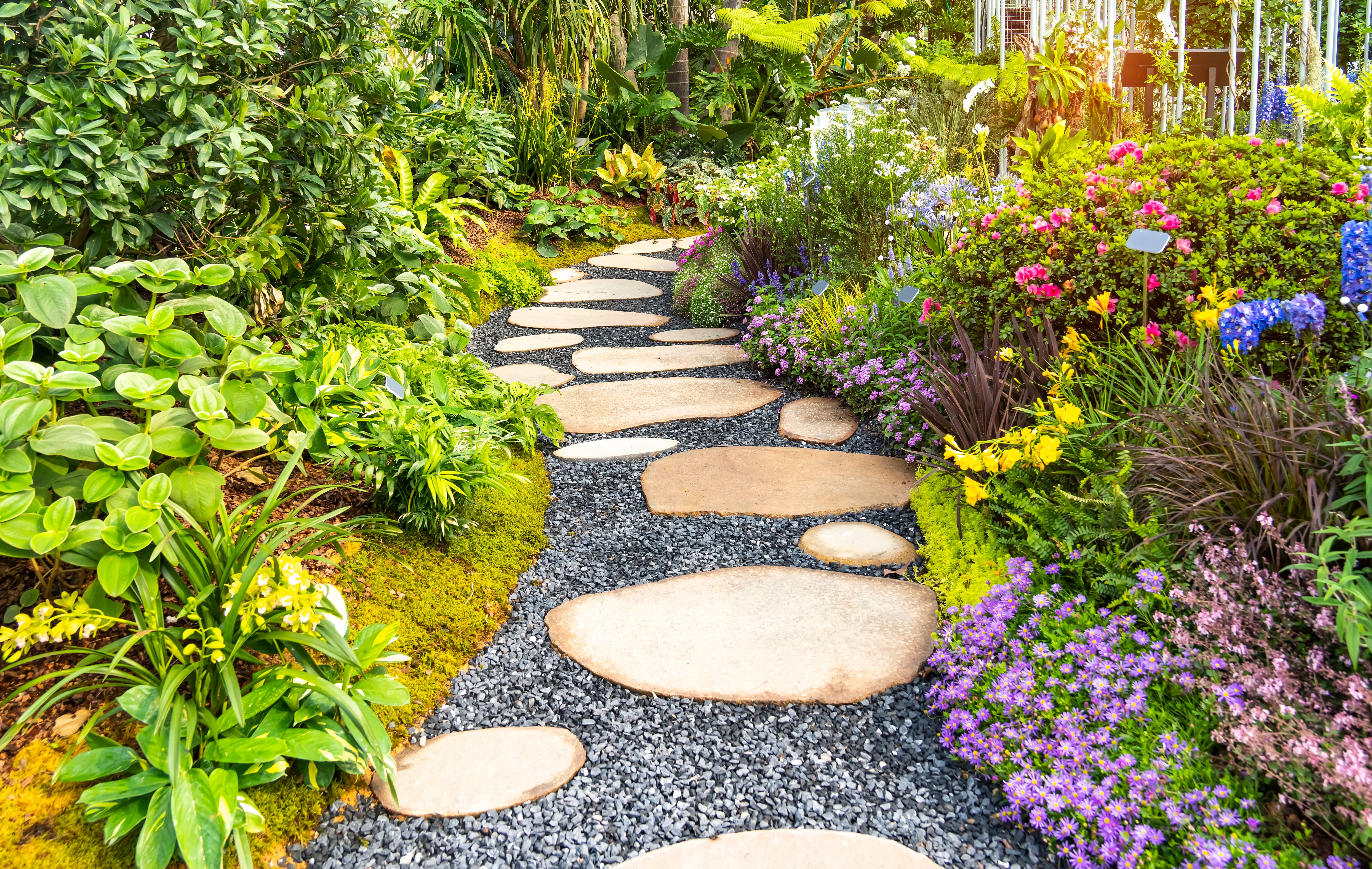
Planning Your Garden Pathway
Before starting, it's crucial to plan your garden pathway by considering the space available, the desired path width, and the materials that fit your program's aesthetic and functional needs. A well-thought-out plan ensures the pathway will be both beautiful and accessible.
Choosing the Right Location
Identify an area that naturally flows through the garden and connects different parts of the rehabilitation space. Consider the sunlight, shade, and existing plant life to enhance the pathway's appeal and comfort.
Selecting Materials for the Pathway
Choosing the right materials is essential for creating a safe and durable garden pathway. Options include gravel, stepping stones, brick, and wood chips. Each material offers unique advantages, such as ease of maintenance or aesthetic appeal.
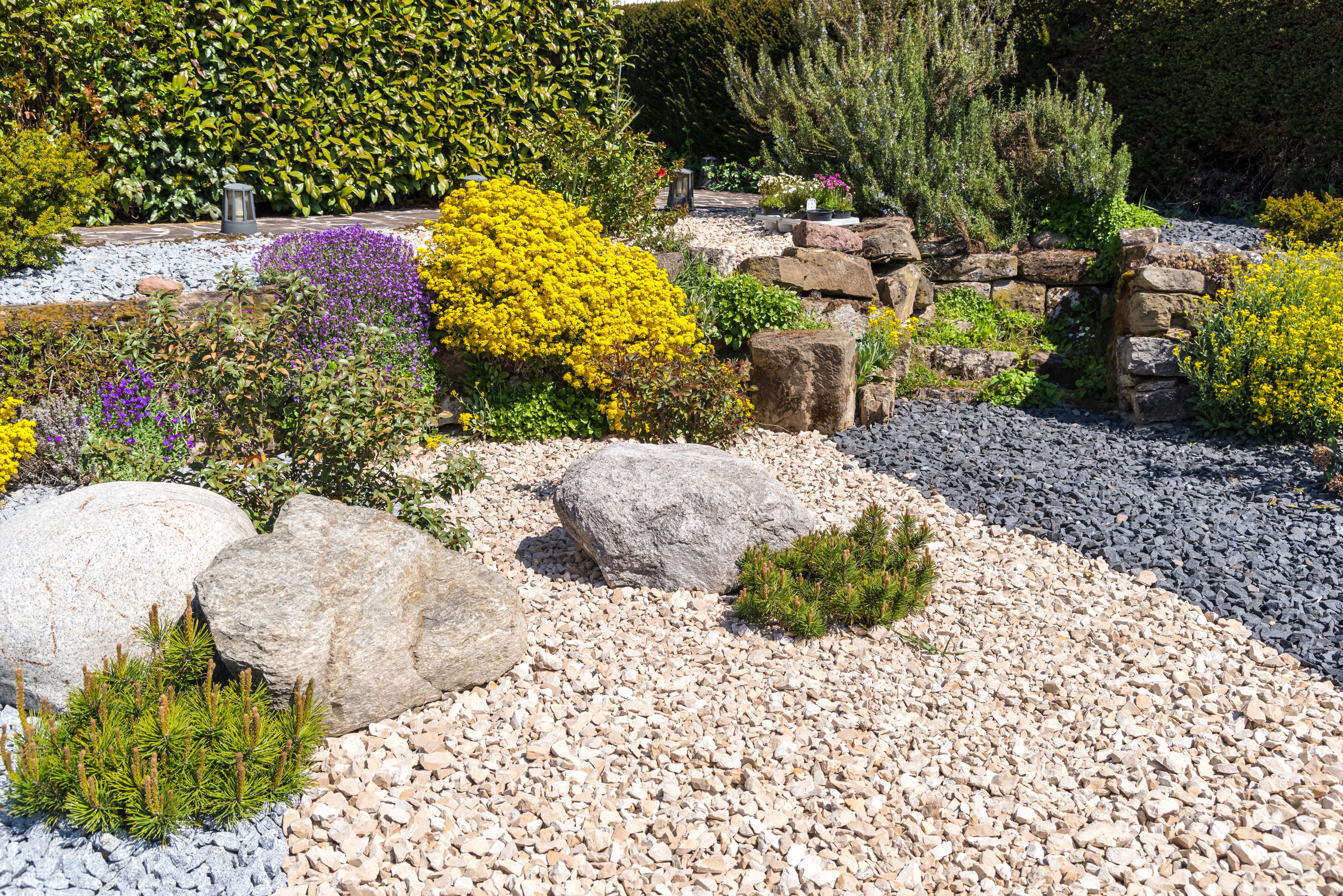
Durability and Accessibility
Ensure that the materials chosen are durable and accessible for all individuals, including those with mobility challenges. Non-slip surfaces, even in wet conditions, are vital for safety.
Constructing the Pathway
Once planning and material selection are complete, it's time to construct the pathway. Follow these steps for a successful build:
- Mark the path: Use stakes and string to outline the pathway.
- Prepare the ground: Remove any grass or debris and level the soil.
- Lay the base: Add a layer of sand or gravel to create a stable foundation.
- Place the materials: Arrange your chosen pathway materials, ensuring they are evenly spaced and stable.
- Finishing touches: Fill gaps with soil or gravel to secure the materials in place.

Incorporating Plants and Decorative Elements
Enhance the beauty of your garden pathway by incorporating plants, flowers, and decorative elements. Choose plants that thrive in the local climate and add visual interest throughout the seasons.
Creating a Sensory Experience
Consider adding elements like fragrant flowers or textured foliage to create a sensory-rich environment. This can enhance the therapeutic benefits of the garden pathway, providing a calming and engaging experience for all who use it.
Maintaining Your Garden Pathway
Regular maintenance is vital to keep your garden pathway in excellent condition. This includes removing weeds, replenishing gravel or mulch, and ensuring that pathway materials remain secure and level.
With thoughtful planning and execution, a garden pathway can become a cherished part of any rehabilitation program, offering a peaceful retreat and a symbolic journey of growth and healing.