Current Trends in Garden Therapy and Reentry Support Programs


The Rise of Garden Therapy
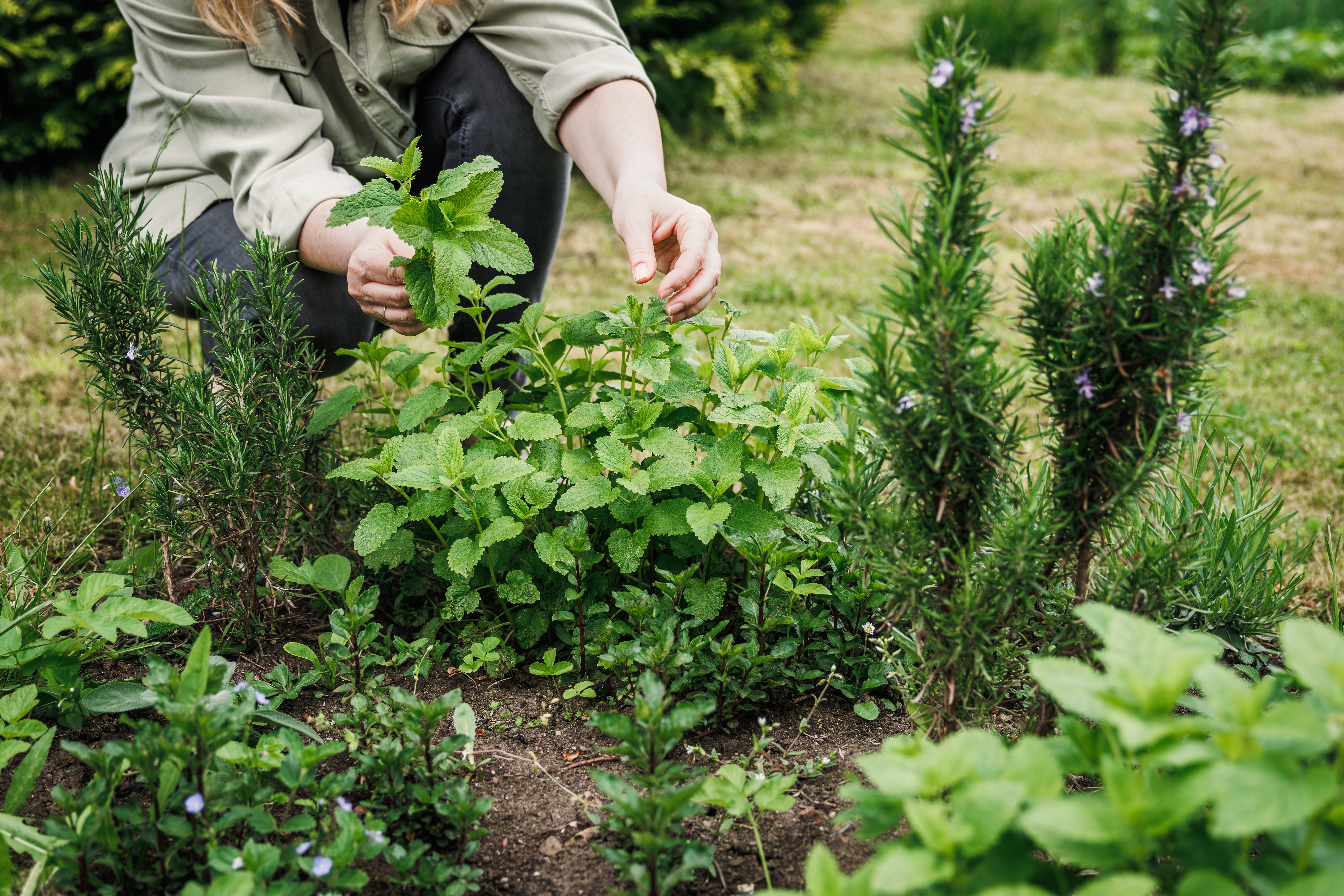
In recent years, garden therapy has gained popularity as a therapeutic tool for individuals seeking mental and emotional healing. This form of therapy involves engaging individuals in gardening and other horticultural activities to promote relaxation, improve mood, and reduce stress. By fostering a connection with nature, garden therapy offers a holistic approach to mental wellness.
One of the reasons garden therapy is effective is its ability to provide a sense of accomplishment. Tending to plants and witnessing their growth can instill a sense of purpose and achievement. This nurturing process can be particularly beneficial for individuals dealing with anxiety or depression, as it encourages mindfulness and focus.
Benefits of Garden Therapy
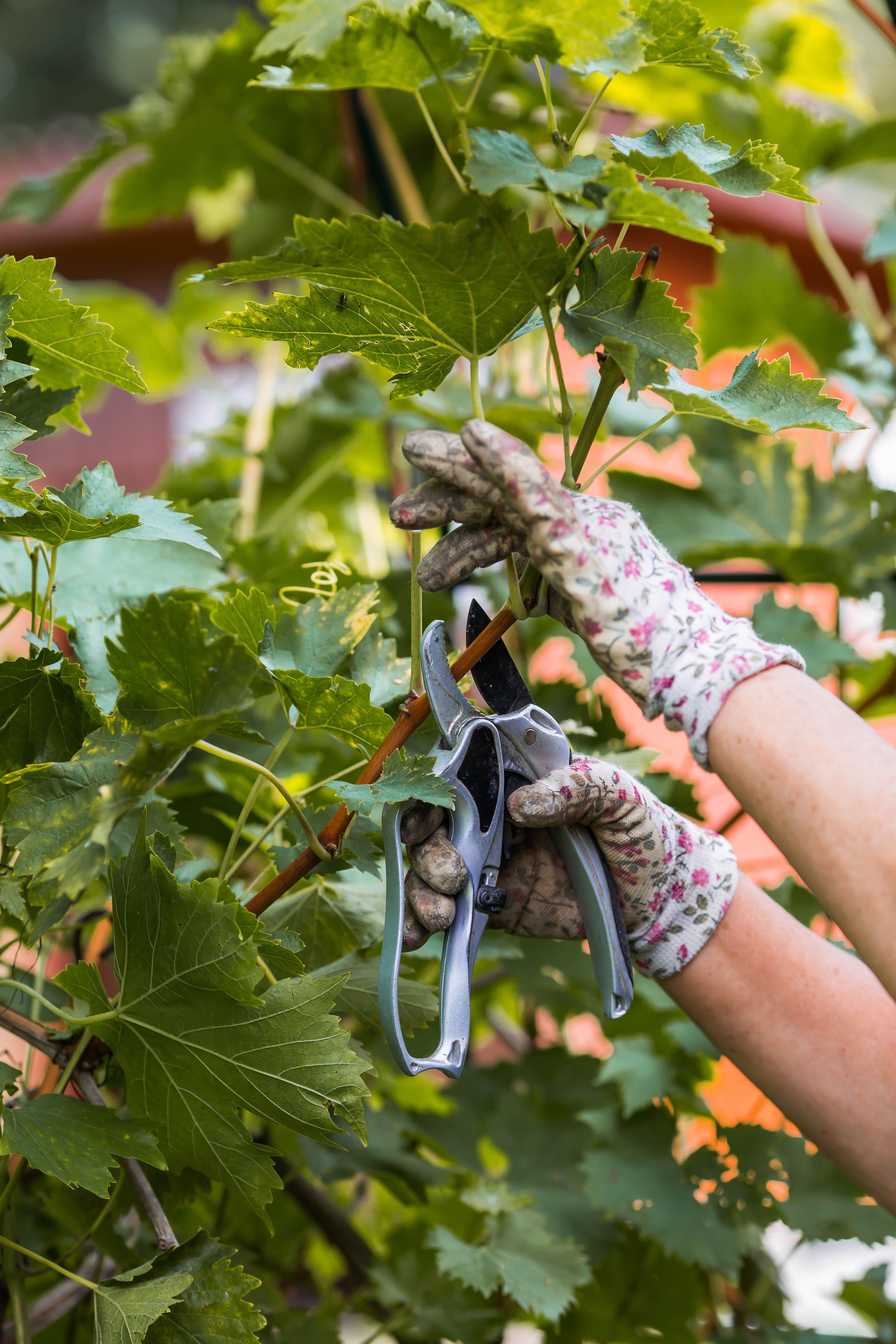
Garden therapy offers a wide range of benefits that extend beyond mental health. It can also contribute to physical well-being by promoting physical activity. Activities such as planting, weeding, and watering require movement and can help improve flexibility, strength, and endurance.
Moreover, spending time outdoors and engaging with nature can boost vitamin D levels, improve sleep patterns, and support overall immune function. These benefits make garden therapy a comprehensive approach to enhancing overall health and well-being.
Reentry Support Programs: A New Approach
Reentry support programs are designed to assist individuals transitioning from incarceration back into society. These programs aim to reduce recidivism by providing support, resources, and skills necessary for successful reintegration. Recently, the integration of garden therapy into these programs has shown promising results.
By incorporating garden therapy, reentry programs can offer a constructive and peaceful environment for participants. This approach helps individuals develop new skills, gain confidence, and build a sense of community, all of which are crucial for a successful transition.
Key Components of Successful Programs
Successful reentry support programs that incorporate garden therapy typically include a few key components. These include:
- Skill Development: Teaching participants how to cultivate and care for plants, which can be translated into job skills in landscaping or horticulture.
- Community Building: Creating a supportive network where individuals can share experiences and learn from one another.
- Mental Health Support: Providing access to counseling and therapy to address emotional and psychological needs.
These elements work together to provide a comprehensive support system that addresses the diverse needs of individuals reentering society.
Challenges and Future Directions
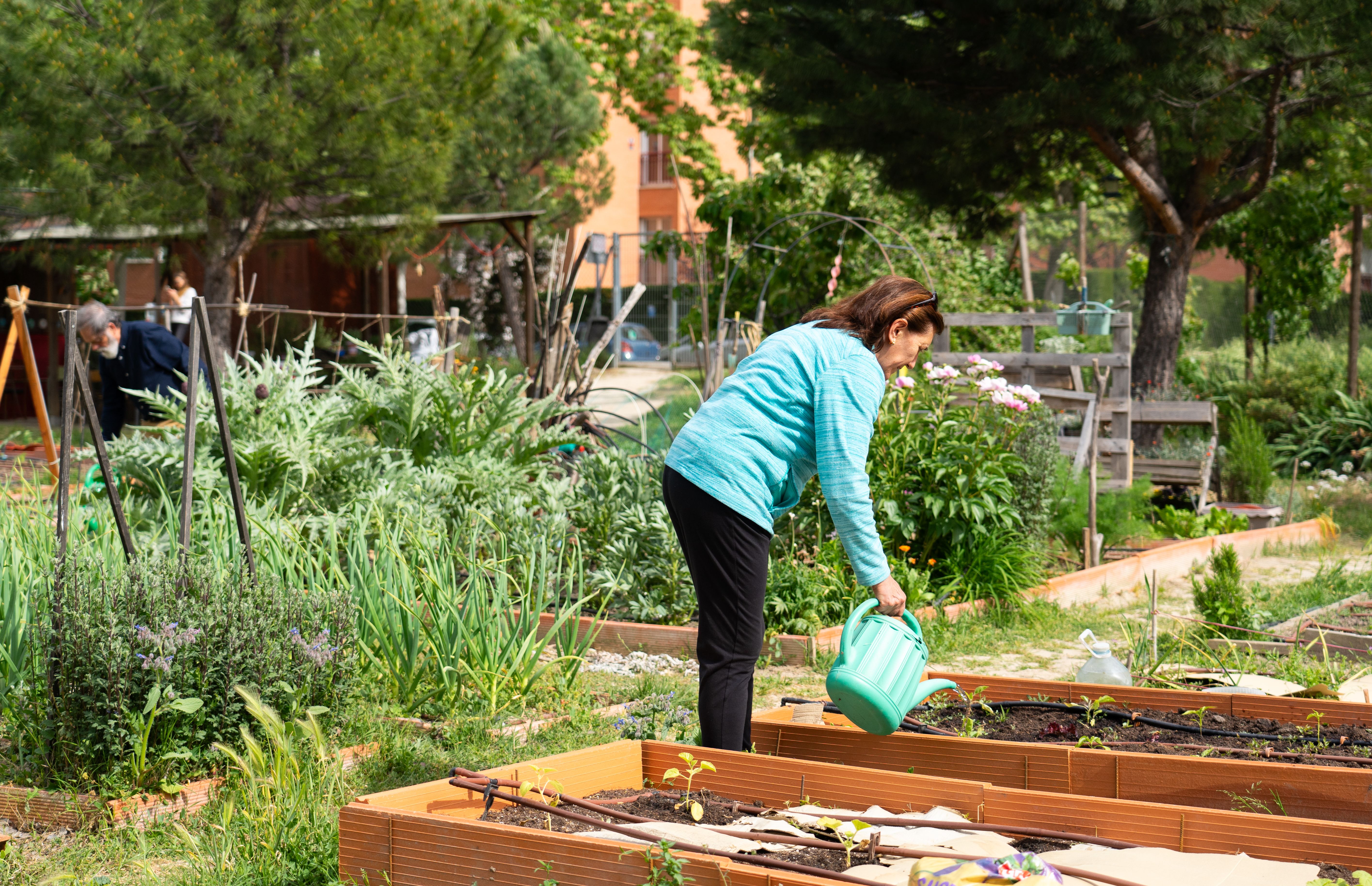
While garden therapy and reentry support programs offer many benefits, they also face challenges. Funding and resources can be limited, making it difficult to implement and sustain these programs. Additionally, there may be resistance from individuals who are unfamiliar with the therapeutic benefits of gardening.
Despite these challenges, the future of garden therapy in reentry support programs looks promising. Increased awareness and advocacy can help secure funding and resources, while educational efforts can help break down barriers and encourage participation.
Overall, the integration of garden therapy into reentry support programs represents a positive step forward in promoting mental health and successful societal reintegration.