Debunking Myths: Can Gardening Really Improve Mental Well-being?


The Connection Between Gardening and Mental Health
Gardening has long been associated with relaxation and tranquility, but does it actually improve mental well-being? This question has intrigued both scientists and enthusiasts alike. In recent years, various studies have explored this connection, uncovering fascinating insights into how tending to plants can positively impact our minds.
One of the primary benefits of gardening is its ability to reduce stress. Immersing oneself in nature, even in a small garden, can lead to a significant decrease in cortisol levels, the hormone associated with stress. This natural therapy allows individuals to escape the pressures of daily life and find peace in nurturing living things.

Gardening as a Form of Exercise
Beyond its calming effects, gardening also serves as a form of physical exercise. Activities like digging, planting, and weeding can be surprisingly physically demanding, helping to improve both strength and endurance. This combination of mental and physical engagement contributes to an overall sense of well-being.
Regular physical activity is known to release endorphins, often referred to as "feel-good" hormones. These endorphins play a crucial role in enhancing mood and reducing feelings of depression and anxiety. Gardening, therefore, offers a holistic approach to improving mental health through both mind and body engagement.
Fostering a Sense of Accomplishment
Another compelling aspect of gardening is the sense of accomplishment it provides. Watching a seed grow into a thriving plant instills a sense of achievement and purpose. This process, though gradual, can significantly boost self-esteem and confidence.

Moreover, gardening encourages patience and mindfulness. It teaches individuals to appreciate the slow, steady progress of nature, promoting a mindset that values long-term growth over instant gratification.
Social Connections Through Gardening
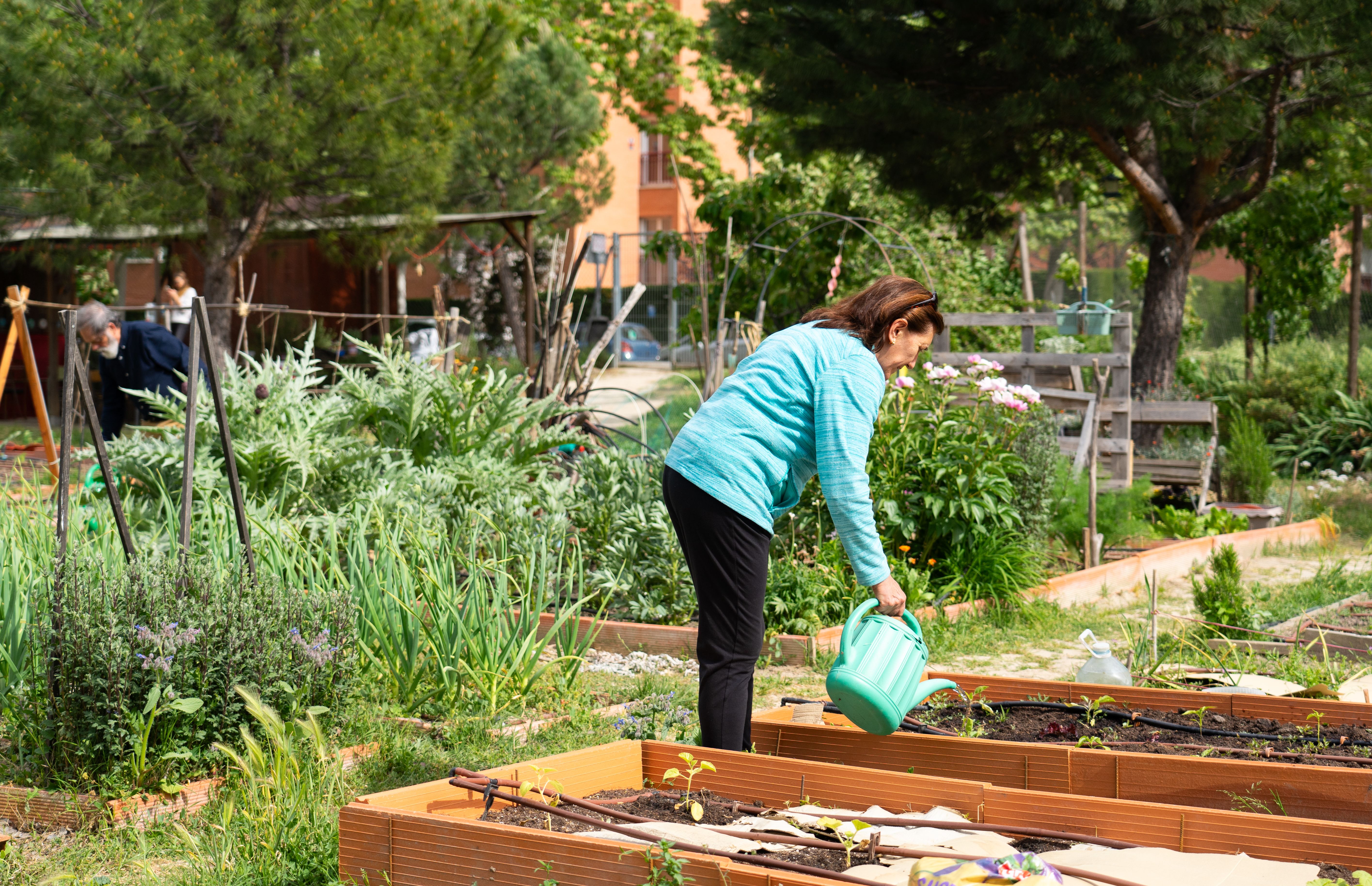
Gardening is not always a solitary activity. Community gardens and gardening clubs offer opportunities for social interaction, which is another key factor in enhancing mental well-being. These social connections can lead to support networks that provide emotional benefits and foster a sense of belonging.
By engaging with others who share similar interests, individuals can combat feelings of loneliness and isolation, which are common contributors to poor mental health. Gardening can thus serve as a bridge to form meaningful relationships.
Conclusion: A Green Path to Wellness
In conclusion, the myths surrounding gardening and mental well-being hold substantial truth. This humble activity offers a multifaceted approach to improving mental health by reducing stress, providing physical exercise, fostering a sense of accomplishment, and encouraging social connections.
Whether you have a sprawling backyard or a small balcony, incorporating gardening into your routine can be a simple yet effective way to enhance your mental well-being. It’s time to grab a trowel, get your hands dirty, and let nature work its magic on your mind.