DIY Garden Projects for Rehabilitation: A Step-by-Step Guide


Introduction to DIY Garden Projects for Rehabilitation
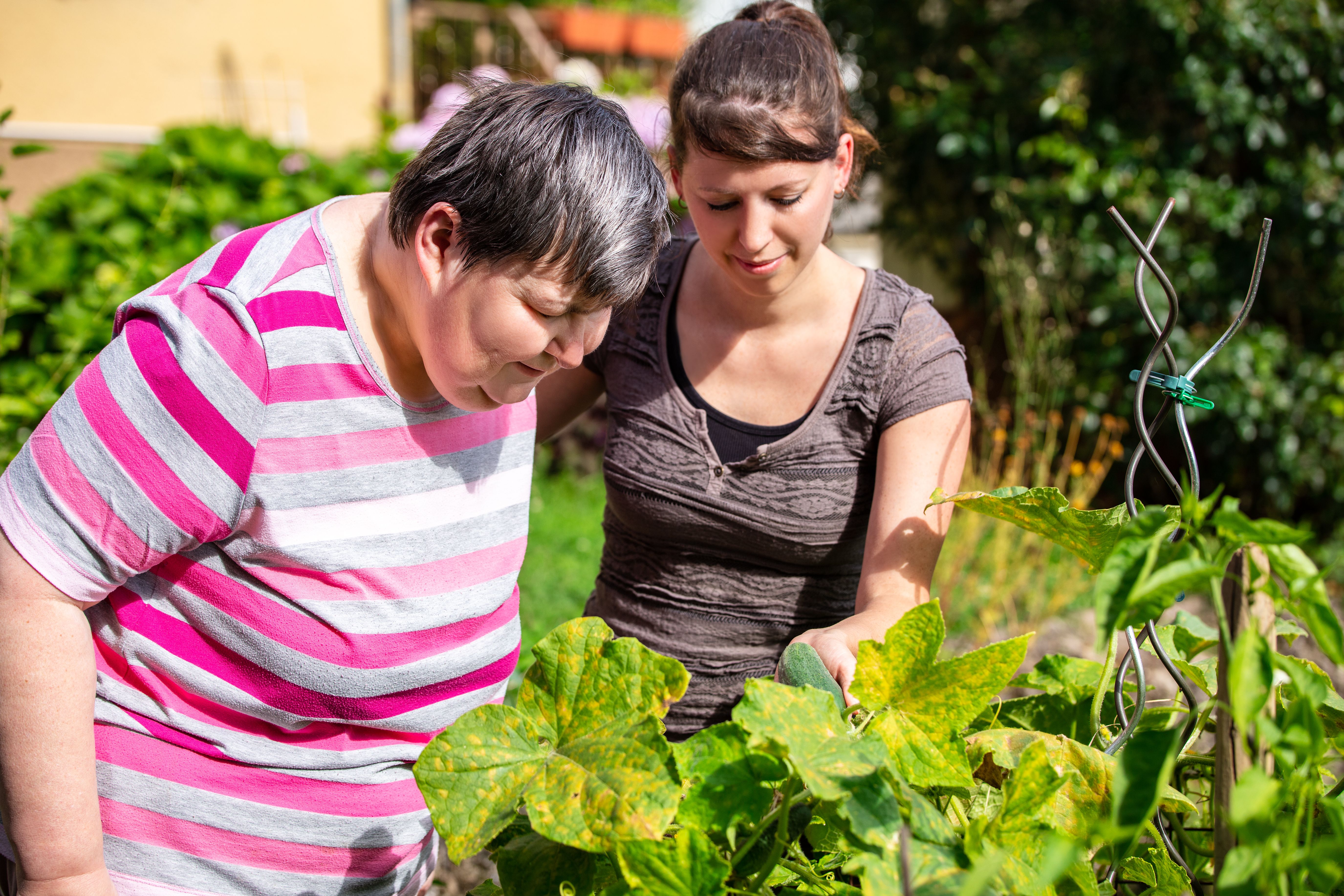
Gardening is more than just a hobby; it's a therapeutic activity that can aid in rehabilitation. Whether you're recovering from an injury or managing stress, engaging with nature can offer significant benefits. In this guide, we'll explore step-by-step DIY garden projects that are perfect for rehabilitation.
Preparing Your Garden Space
Choosing the Right Location
Before starting any garden project, it's crucial to select a suitable location. Look for a spot that receives ample sunlight and is easily accessible. **Accessibility** is key, especially if mobility is a concern.
Gathering Necessary Tools
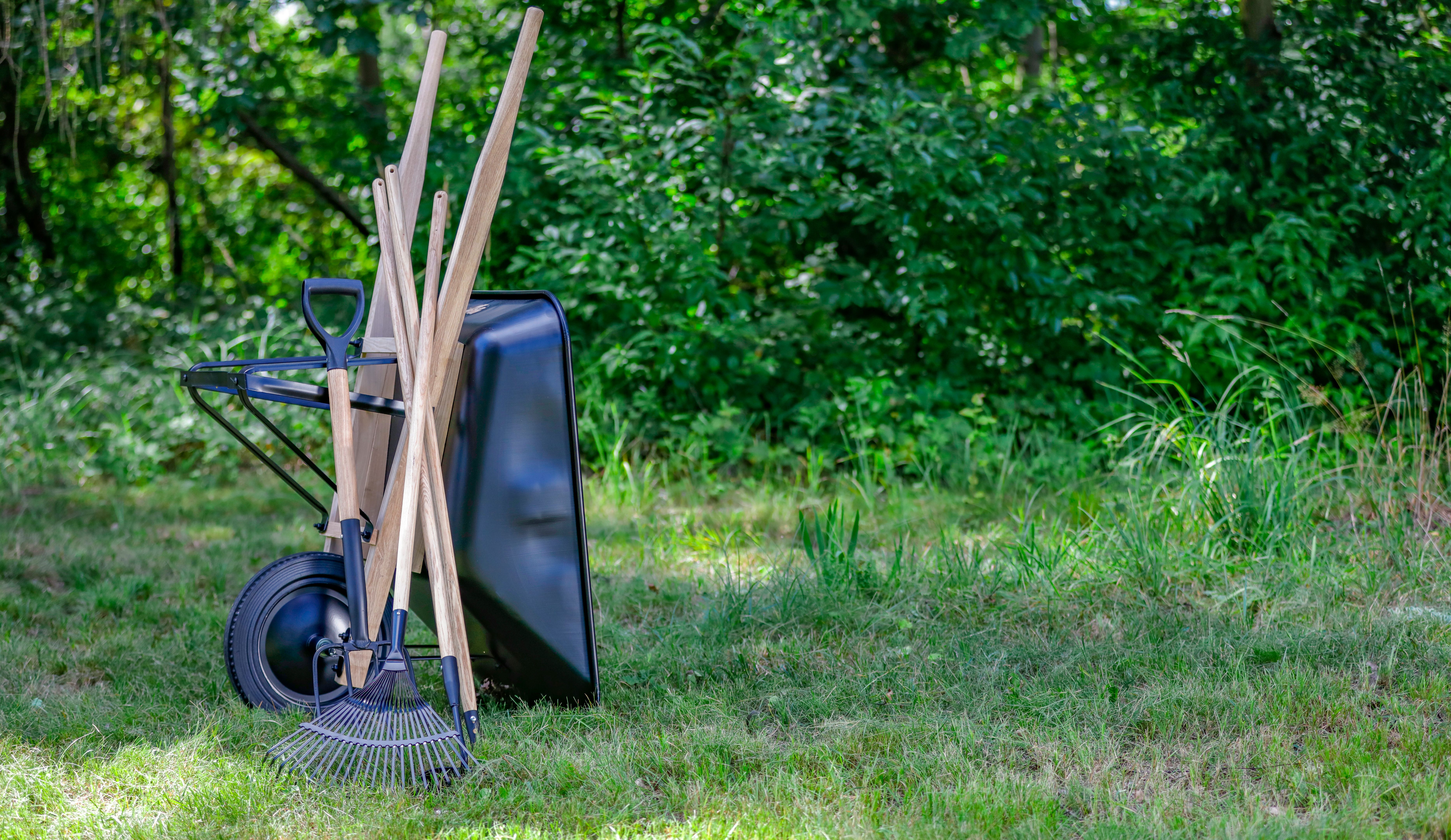
Having the right tools can make gardening tasks easier and more enjoyable. Consider investing in ergonomic tools designed for comfort and ease of use. A few essentials include:
- Hand trowel
- Pruning shears
- Garden gloves
- Watering can
Starting with Container Gardening
Benefits of Container Gardening
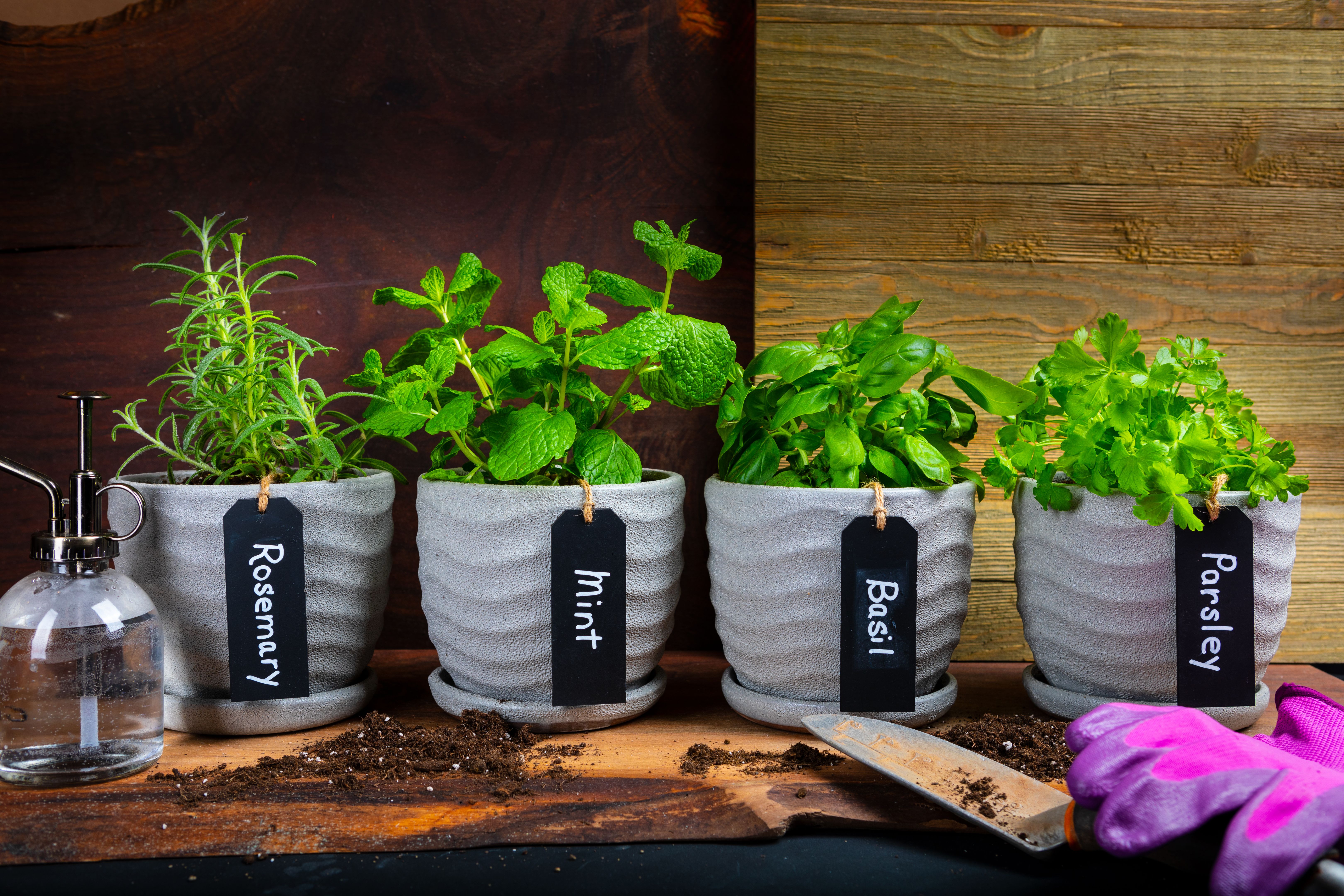
Container gardening is a fantastic option for those with limited space or mobility. It allows for flexibility in plant placement and requires less maintenance than traditional garden beds. **Containers** can be moved to accommodate changing sunlight and weather conditions.
Selecting the Right Plants
Choose plants that are easy to grow and require minimal care. Herbs like basil, mint, and thyme are excellent choices for beginners. They not only thrive in containers but also offer **aromatic benefits** that can enhance relaxation.
Creating a Sensory Garden
Designing for the Senses
A sensory garden is designed to engage all five senses, making it ideal for rehabilitation. Incorporate plants with various textures, colors, and scents. Consider adding elements like wind chimes or water features to stimulate hearing.
Plant Recommendations
For a sensory garden, consider the following plants:
- Lavender: Known for its calming scent.
- Lamb's Ear: Offers a soft, velvety touch.
- Sunflowers: Provide vibrant visual appeal.
Maintaining Your Garden for Well-being
Regular Care and Mindfulness
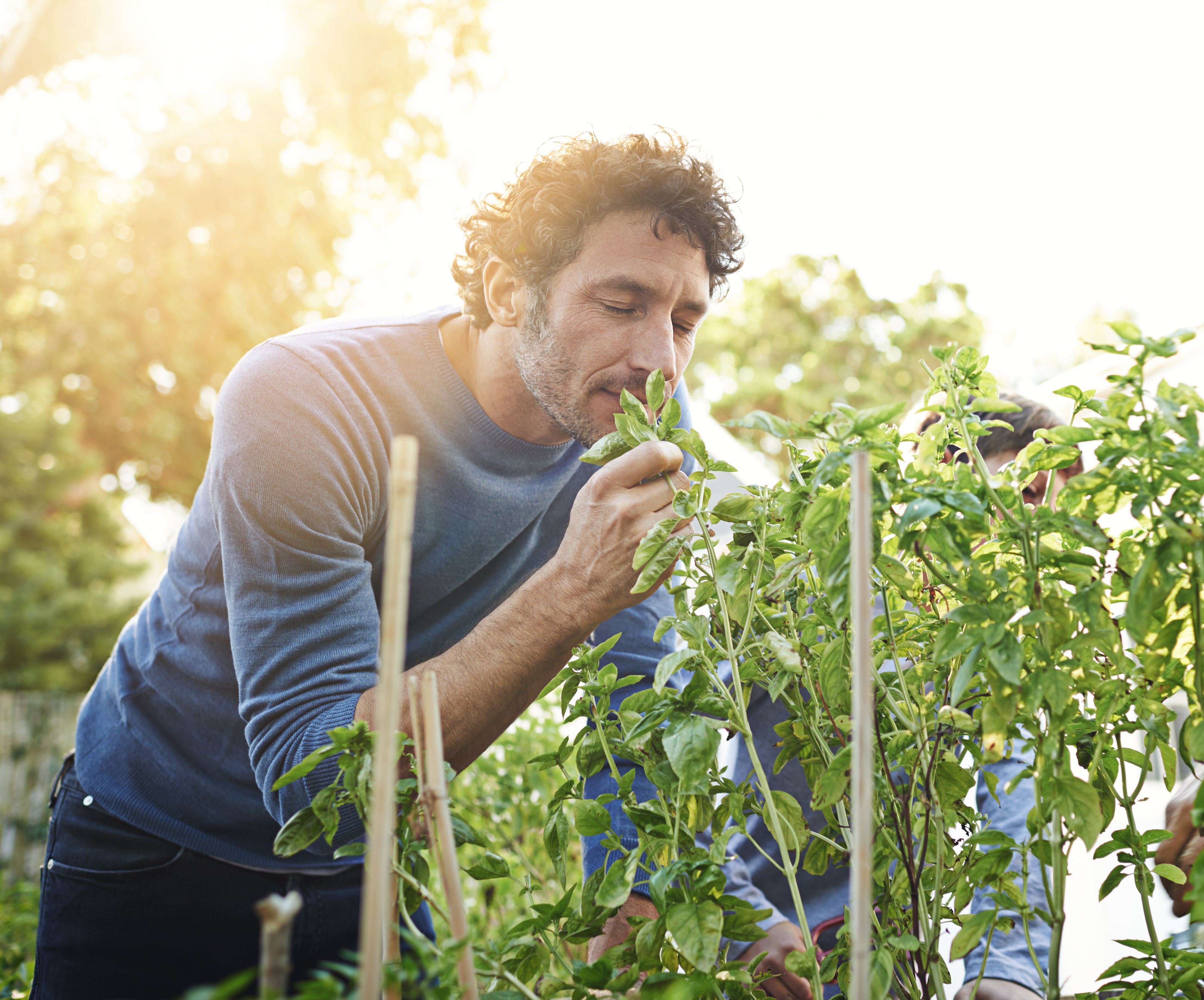
Maintaining a garden requires regular attention, which encourages mindfulness. Spend a few minutes each day tending to your plants. This routine can be a **meditative practice**, fostering a sense of peace and accomplishment.
Adapting to Your Needs
As your rehabilitation progresses, adapt your garden projects to suit your evolving needs. Whether it's adding new plants or creating raised beds for easier access, ensure your garden continues to be a source of joy and healing.
Conclusion
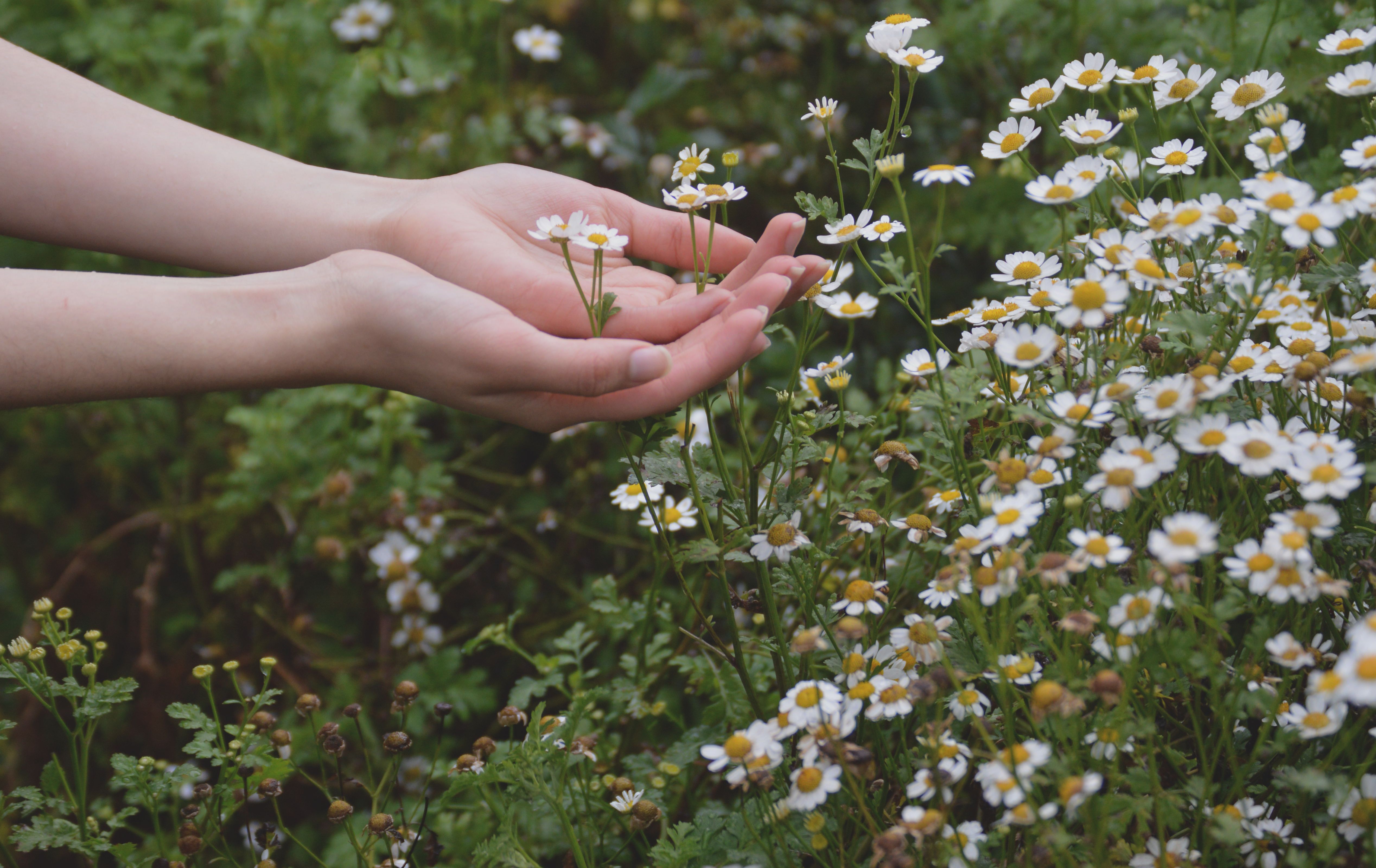
DIY garden projects offer a unique blend of physical activity, mental stimulation, and emotional healing. By following these steps, you can create a nurturing environment that supports your rehabilitation journey. Embrace the beauty of nature and let your garden become a sanctuary of recovery and relaxation.