Expert Insights: The Benefits of Horticulture in Rehabilitation


Understanding Horticulture in Rehabilitation
Horticulture, the practice of garden cultivation and management, is increasingly being recognized for its therapeutic benefits in rehabilitation settings. From physical recovery to mental well-being, horticulture offers a unique and holistic approach to healing. As experts in the field suggest, integrating horticulture into rehabilitation programs can foster remarkable improvements in patients’ overall health.
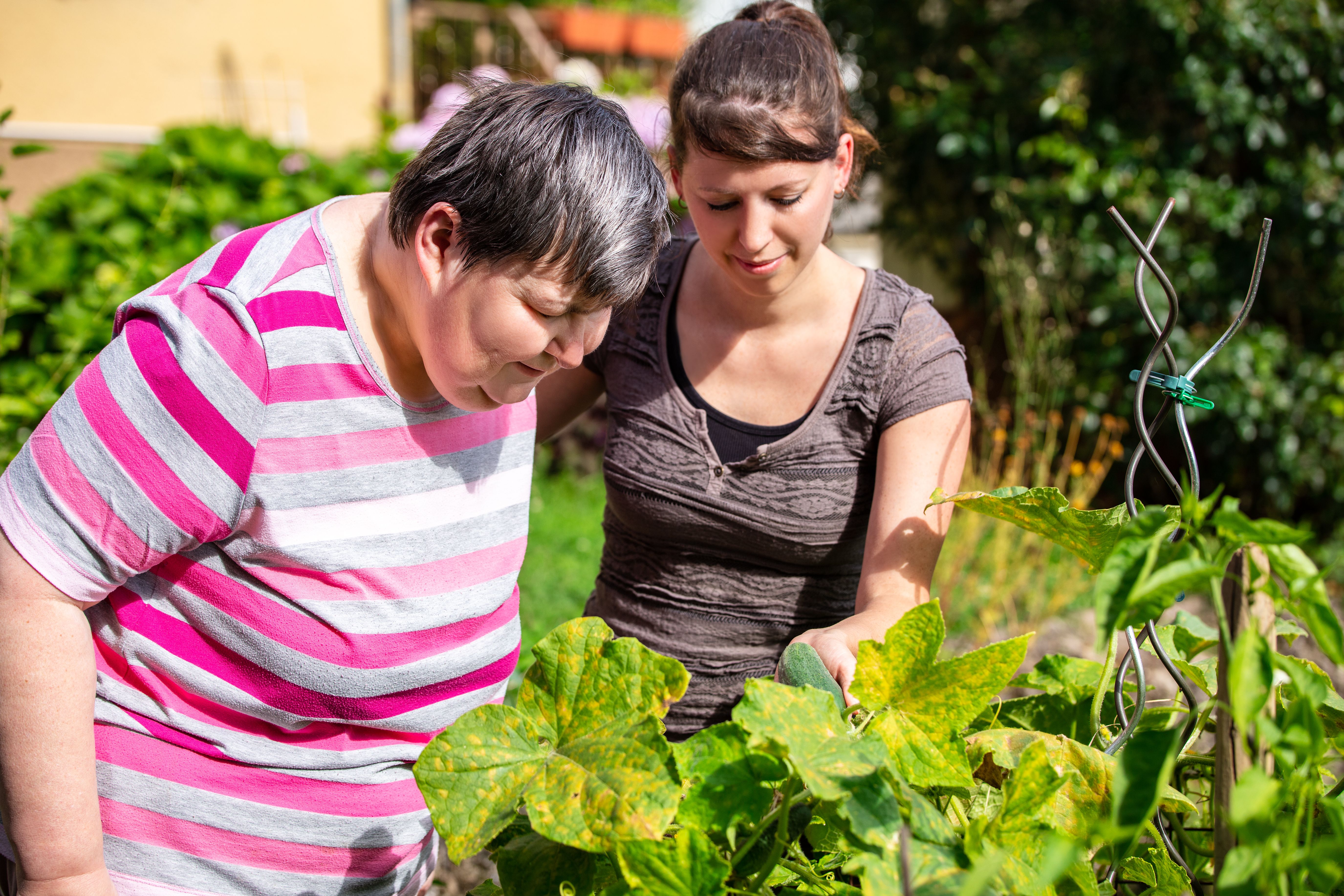
Physical Benefits
Engaging in horticultural activities can significantly improve physical health. Tasks like planting, watering, and weeding provide a form of low-impact exercise, which is essential for individuals recovering from injuries or surgeries. These activities help enhance motor skills, build strength, and increase flexibility.
Moreover, the act of gardening involves a variety of movements that can aid in improving coordination and balance. Patients often find themselves more motivated to participate in physical activities when they are outdoors and surrounded by nature, making horticulture an excellent tool for rehabilitation.
Mental and Emotional Well-being
The mental health benefits of horticulture are profound. Working with plants can reduce stress, anxiety, and depression. The calming effect of nature, coupled with the sense of accomplishment from nurturing plants, can boost self-esteem and promote a positive outlook.
Furthermore, horticulture can provide a sense of purpose and routine, which is vital for individuals in rehabilitation. The process of caring for plants and watching them grow mirrors the journey of recovery, offering hope and motivation.
Social and Cognitive Development
Horticulture also plays a role in enhancing social and cognitive skills. Group gardening activities encourage teamwork, communication, and social interaction, which are crucial for individuals who may feel isolated during their recovery.
Cognitively, horticulture engages the brain in planning, problem-solving, and learning new skills. Whether it's deciding on the layout of a garden or understanding the needs of different plants, these activities stimulate mental agility and focus.
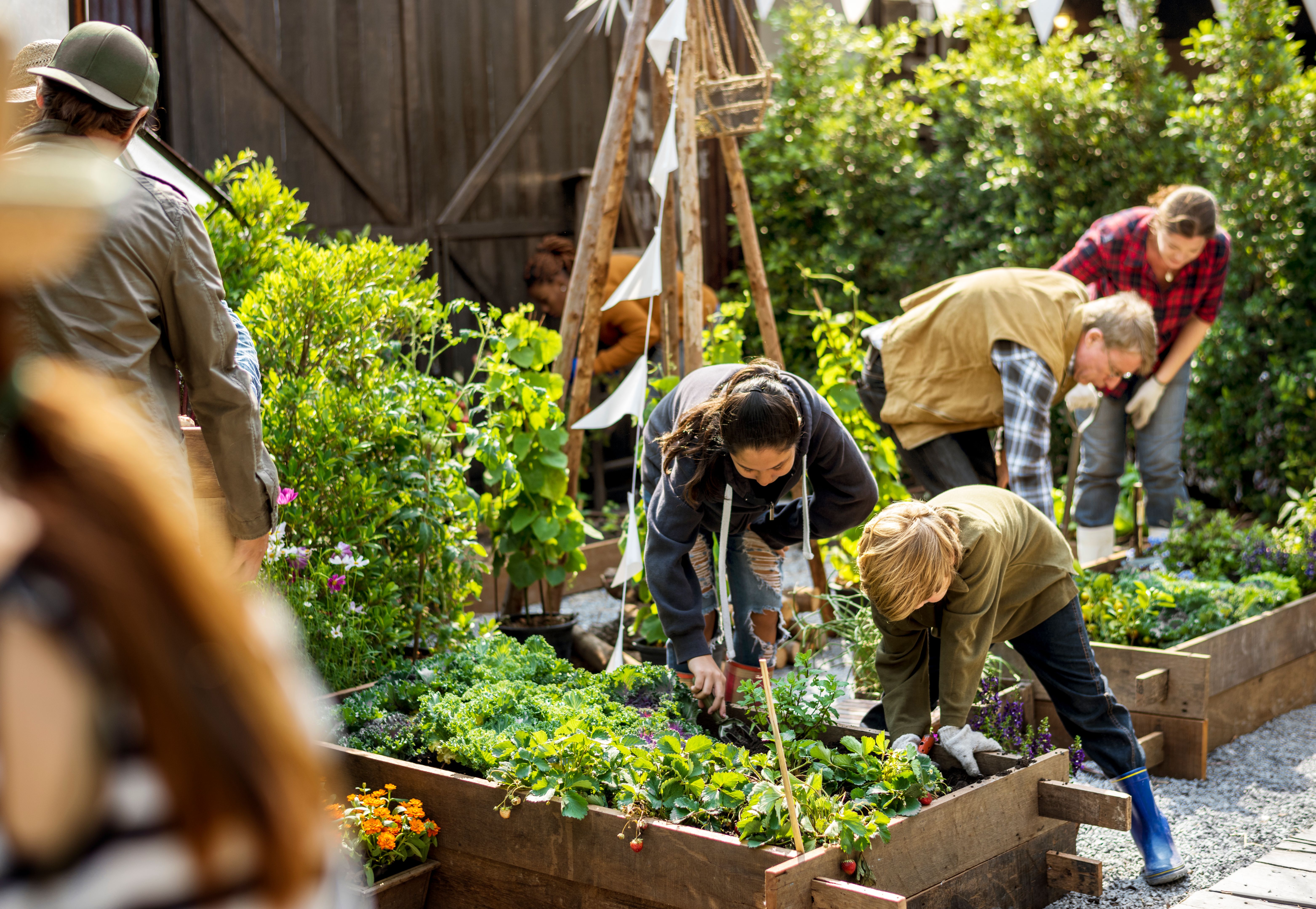
Implementing Horticulture in Rehabilitation Programs
Incorporating horticulture into rehabilitation programs requires a thoughtful approach. Here are some key steps to consider:
- Assess the Needs: Understand the specific needs and limitations of patients to tailor activities accordingly.
- Design Accessible Gardens: Ensure that gardens are accessible to individuals with varying physical abilities.
- Provide Guidance: Offer training and support to help patients learn and engage effectively in horticultural activities.
By following these guidelines, rehabilitation centers can create a nurturing environment that supports healing and growth.
Success Stories and Expert Opinions
Numerous success stories highlight the transformative power of horticulture in rehabilitation. Experts in the field emphasize the importance of nature in promoting holistic health and recovery. Testimonials from patients reveal how gardening has helped them regain confidence, improve physical capabilities, and find joy in their recovery journey.
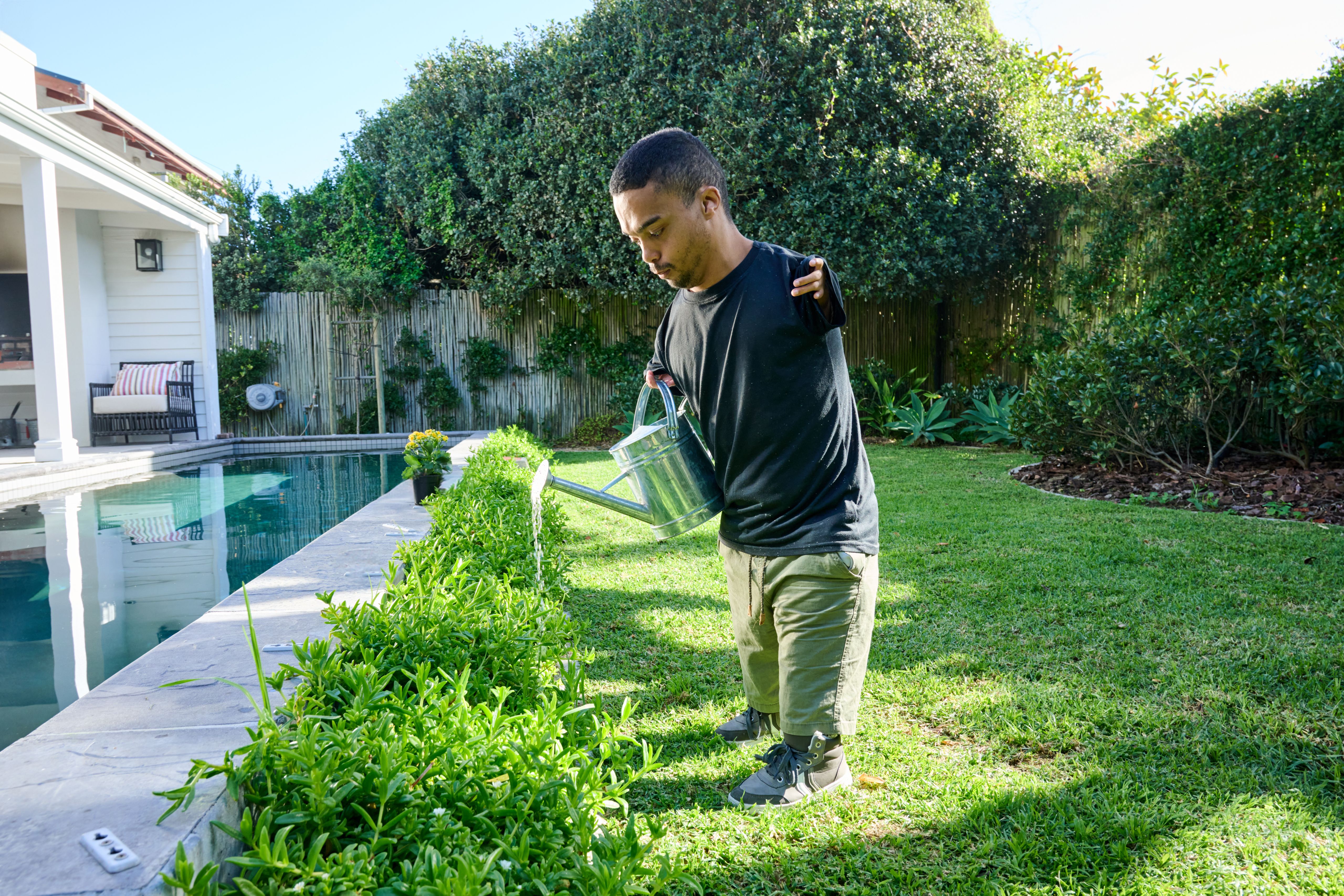
As more research and evidence support the benefits of horticulture, it’s becoming a vital component in rehabilitation strategies worldwide. By embracing this natural approach, healthcare providers can enhance the quality of care and outcomes for their patients.