Seasonal Gardening for Rehab: Spring Planting Tips


Spring Planting: A Therapeutic Journey
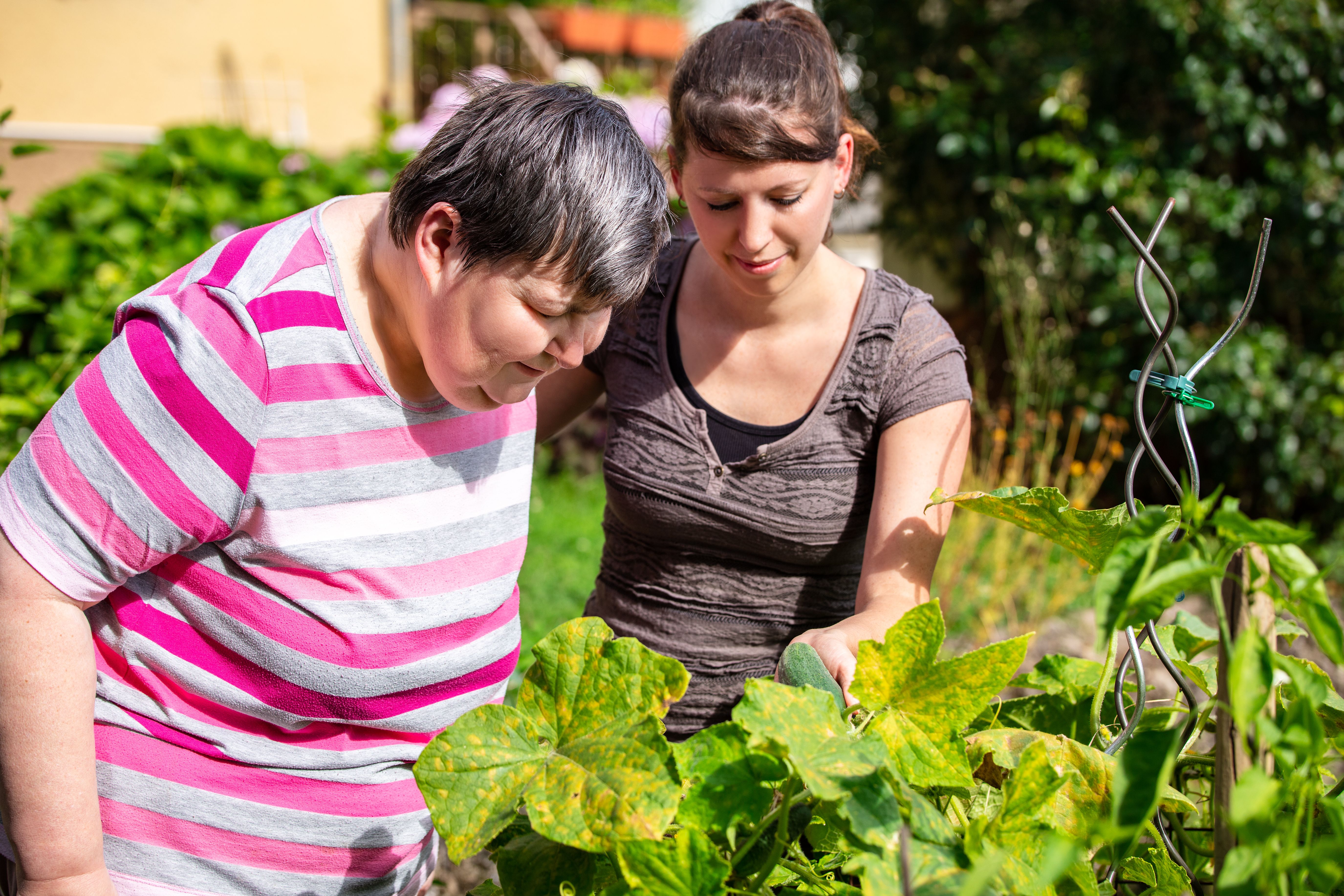
As the chill of winter fades away, spring emerges, offering a perfect opportunity to engage in gardening as a form of rehabilitation. The process of planting new life can be incredibly therapeutic, aiding in physical recovery and mental well-being. Whether you're recovering from an injury or simply seeking solace, spring gardening provides numerous benefits.
Engaging with nature has been shown to reduce stress, improve mood, and increase overall happiness. The act of planting and nurturing can cultivate a sense of purpose and accomplishment, making it an ideal activity for those in rehabilitation.
Choosing the Right Plants
Selecting the right plants is crucial for a successful gardening experience. Opt for plants that are easy to manage and suitable for your climate and soil type. Some of the best options for spring include:
- Lavender: Known for its soothing aroma and low maintenance.
- Marigolds: Bright and cheerful, these flowers are easy to grow.
- Herbs: Consider basil, mint, or parsley for a fragrant and useful addition.
These plants not only add beauty to your garden but also provide a sensory experience that enhances the therapeutic benefits of gardening.
Preparing Your Garden Space
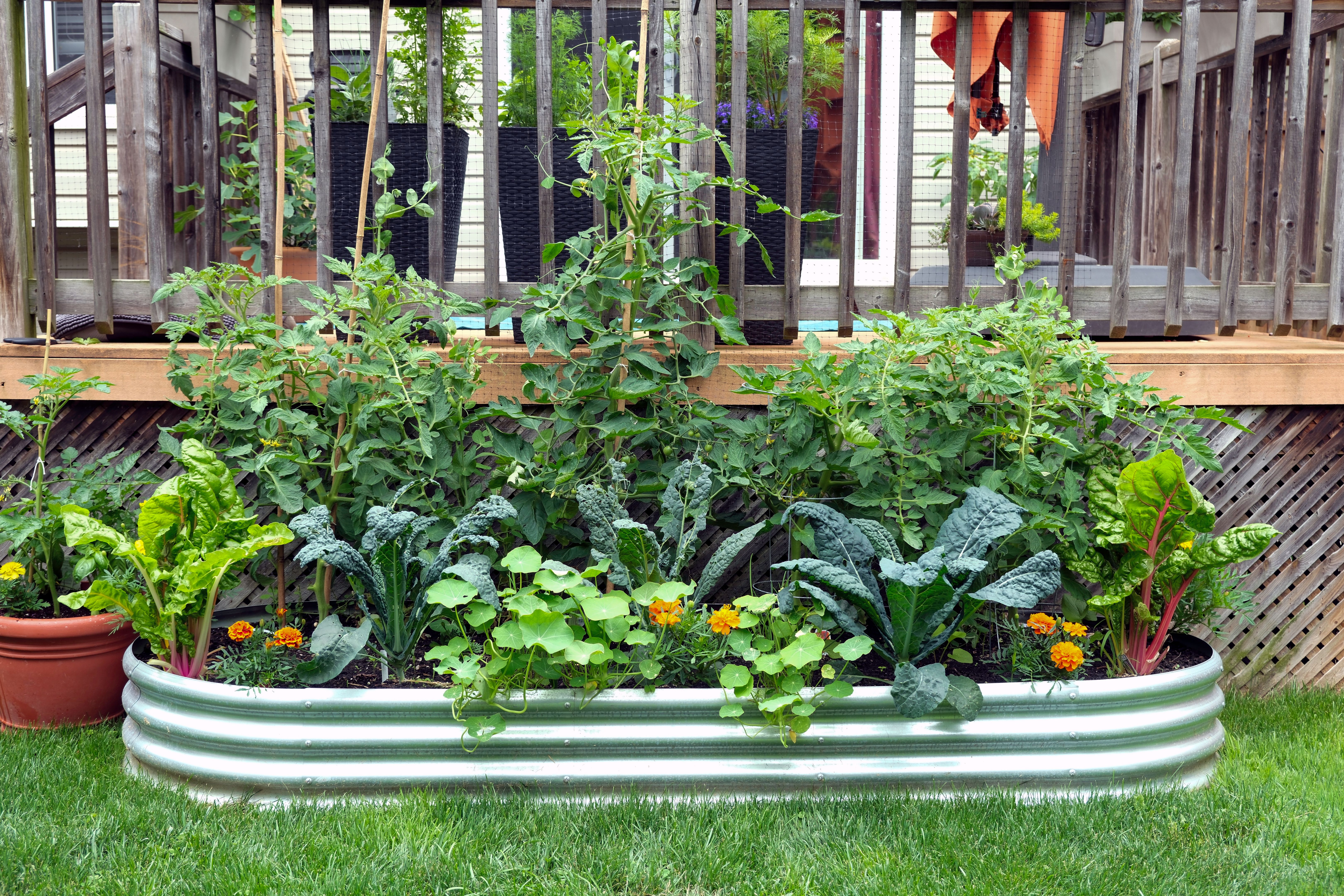
Before planting, it's essential to prepare your garden space properly. Start by clearing any debris and loosening the soil. This step ensures that your plants have the best possible environment to thrive. If you're working with limited mobility, raised garden beds or container gardening can be excellent alternatives.
Ensuring accessibility is key. Arrange your garden tools and supplies within easy reach to minimize strain and maximize comfort.
Planting Techniques for Rehabilitation
When it comes to planting, using the right techniques can enhance your rehabilitation process. Focus on ergonomically friendly methods, such as kneeling pads or long-handled tools, to reduce physical strain. Additionally, consider breaking tasks into smaller, manageable steps to avoid overexertion.
Remember to take frequent breaks and listen to your body's signals. Gardening is meant to be a healing activity, not a source of stress or injury.
Embracing the Healing Process
The journey of spring planting offers more than just a beautiful garden—it provides a path to healing and recovery. As you nurture your plants, take time to appreciate the growth and transformation happening both in your garden and within yourself.
Invite friends or family to join you, creating an opportunity for social interaction and support. Sharing the experience can enhance the therapeutic benefits and create lasting memories.

Maintaining Your Spring Garden
Once your garden is planted, ongoing maintenance is essential. Regular watering, weeding, and monitoring for pests will ensure that your plants remain healthy and vibrant. Set a routine that aligns with your rehabilitation goals, balancing activity with rest.
As the season progresses, celebrate the small victories and growth in your garden. Each flower that blooms is a testament to your hard work and dedication.
Embrace the healing power of spring gardening as a tool for rehabilitation, and watch as your garden—and your spirit—flourish.