Seasonal Gardening Tips for Connecticut: What to Plant When


Understanding Connecticut's Climate
Connecticut's climate is characterized by cold winters and warm, humid summers, making it essential to plan your gardening activities around these seasonal changes. Knowing what to plant and when can significantly impact the success of your garden.

Spring Planting: Embrace the Awakening
As the snow melts and temperatures rise, spring is an ideal time to start planting. Early spring is perfect for cool-weather crops. Consider planting:
- Lettuce and other leafy greens
- Peas
- Radishes
These crops can withstand the occasional cold snap and will be ready to harvest as the weather warms.
Preparing for Warmer Weather
As spring progresses into late April and May, you can begin planting warm-weather vegetables like tomatoes and peppers. Start these indoors and transplant them once the danger of frost has passed.

Summer Gardening: Thrive in the Heat
Summer in Connecticut is the peak growing season. Most plants will thrive during these months, but it's crucial to keep up with watering and pest management. Consider planting:
- Beans
- Cucumbers
- Zucchini
Remember to mulch and water regularly to help plants retain moisture during hot spells.
Maintaining Your Summer Garden
Regularly check for pests and diseases, as they can quickly spread in the warm, humid climate. Pruning and weeding are essential to ensure your plants receive enough sunlight and air circulation.
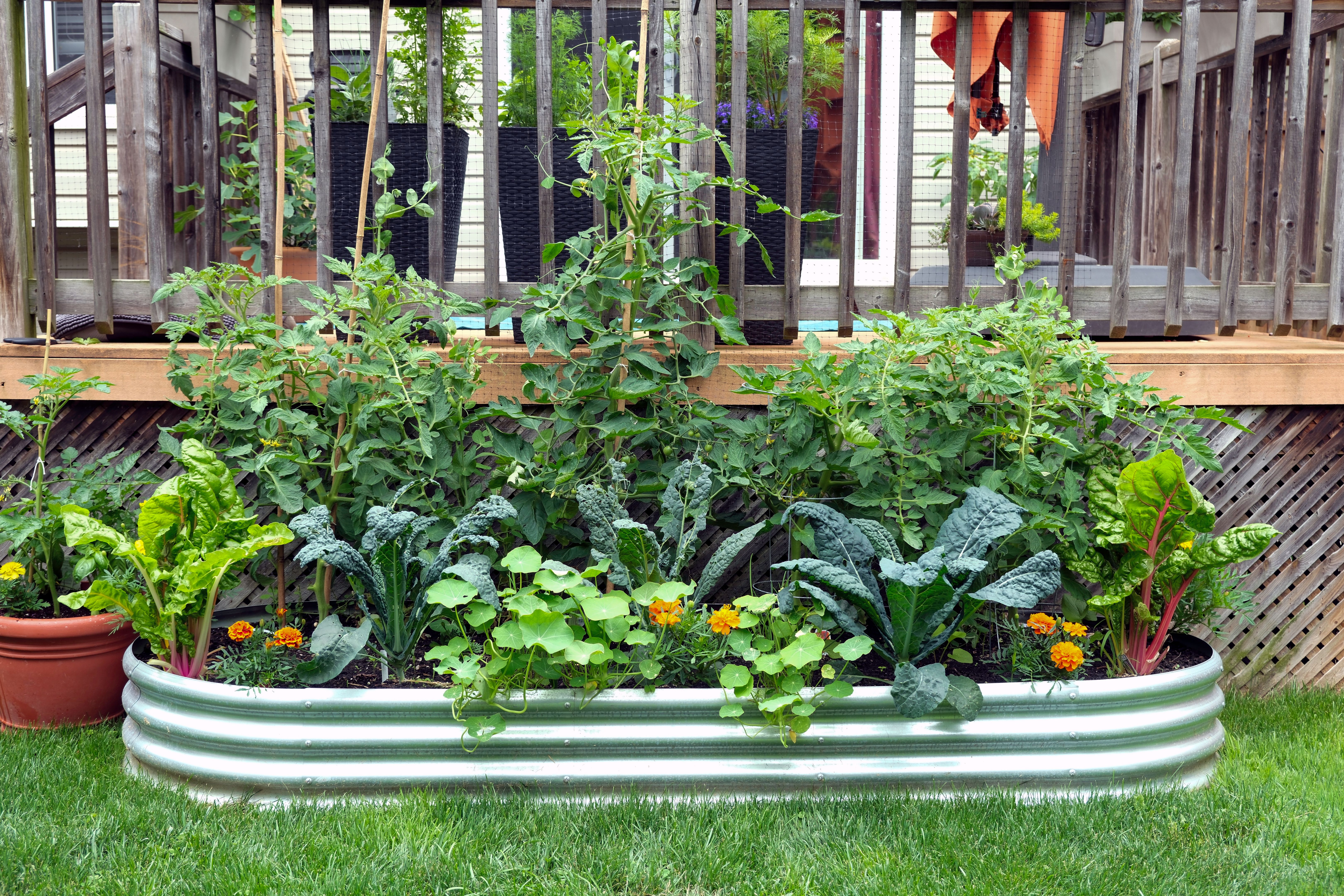
Fall Planting: Prepare for the Cold
Fall is a great time to plant crops that prefer cooler temperatures, such as:
- Kale
- Broccoli
- Brussels sprouts
These plants can often continue to produce even after the first frost, extending your harvest season.
Winter Preparation: Rest and Plan
As winter approaches, it’s time to prepare your garden for the cold months. Clean up any dead plant material, and consider adding compost or manure to enrich the soil for the next growing season.
Winter is also an excellent time to plan for the upcoming year. Consider what worked well and what didn’t, and prepare your seeds and supplies for spring.

Conclusion: Enjoy the Fruits of Your Labor
Gardening in Connecticut requires an understanding of the seasonal climate and careful planning. By following these tips, you can enjoy a bountiful garden that provides fresh produce throughout much of the year.
Remember, the key to a successful garden is continuous learning and adaptation. Happy gardening!