Seasonal Gardening Tips for Rehabilitation Programs


Introduction to Seasonal Gardening
Seasonal gardening can be a transformative experience, especially within rehabilitation programs. It offers a therapeutic escape, fostering both mental and physical well-being. By understanding the cycles of nature, participants can gain insights into growth, patience, and renewal.
Benefits of Gardening in Rehabilitation
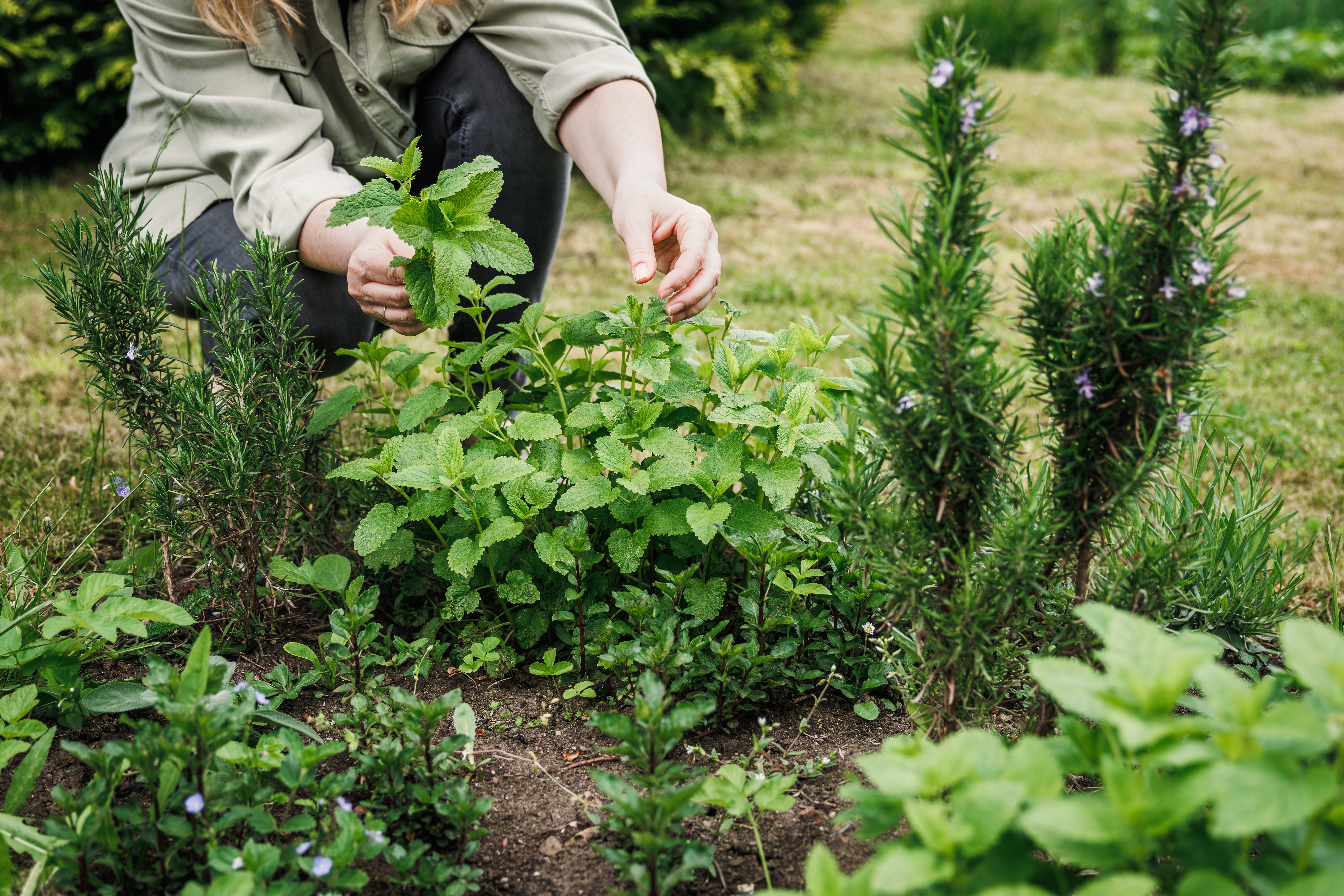
Gardening provides a range of benefits that can enhance the rehabilitation process. It encourages mindfulness, reduces stress, and promotes physical activity. Participants can develop a sense of responsibility and accomplishment as they nurture plants from seedlings to full bloom.
Moreover, engaging with nature has been shown to improve mood and decrease anxiety. By working with the earth, individuals can reconnect with themselves and their environment, fostering a sense of peace and well-being.
Physical Health Benefits
Gardening is an excellent form of low-impact exercise. Tasks such as planting, weeding, and watering can improve strength, flexibility, and endurance. It also encourages better hand-eye coordination and fine motor skills, which are crucial for rehabilitation.
Seasonal Gardening Tips
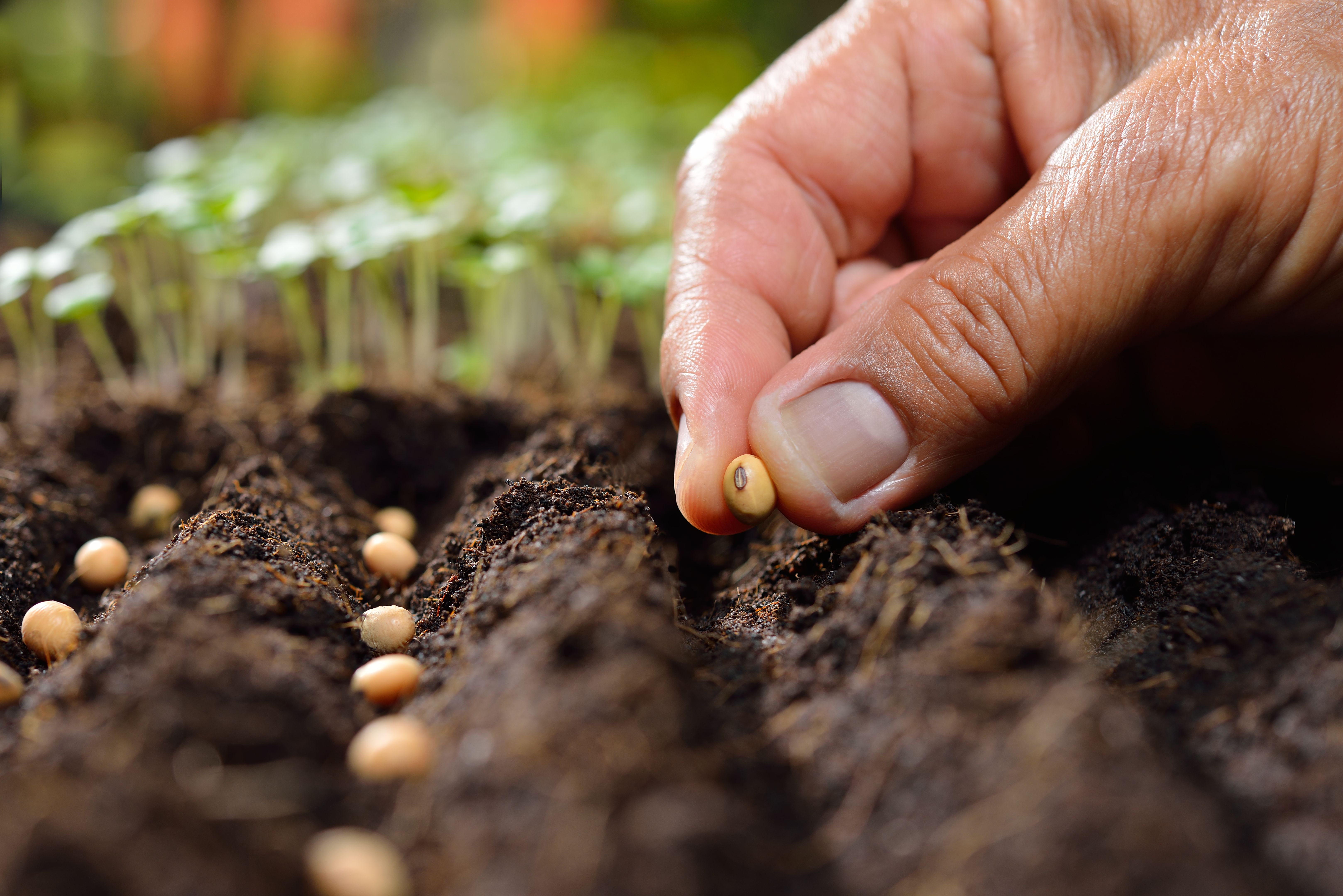
Adapting gardening activities to the seasons is essential for maximizing benefits. Here are some tips to help you align your gardening efforts with nature's cycles:
- Spring: Focus on planting seeds and young plants. This is a time for new beginnings and fresh growth.
- Summer: Concentrate on maintaining and caring for your garden. Watering, weeding, and harvesting are key activities.
- Autumn: Prepare the garden for winter by composting and planting cover crops to enrich the soil.
- Winter: Plan for the upcoming year. Consider indoor gardening or learning more about plant care and garden design.
Choosing the Right Plants
Selecting plants that are suitable for the season and climate is crucial. Opt for native plants or those known for resilience in your area. This will ensure a higher chance of success and a more satisfying gardening experience.

Incorporating Gardening into Rehabilitation Programs
Integrating gardening into rehabilitation programs requires thoughtful planning. It's important to tailor activities to individual capabilities and interests. Offer a variety of tasks to accommodate different skill levels and physical abilities.
Consider creating themed gardens, such as sensory gardens, which focus on stimulating the senses, or vegetable gardens, which can provide nutritious produce for meals. This variety can enhance engagement and motivation among participants.
Creating a Supportive Environment
Make sure the gardening area is accessible and safe for all participants. Raised beds can be helpful for those with limited mobility. Providing the necessary tools and guidance will also empower individuals to engage fully with the gardening process.

Conclusion
Seasonal gardening holds immense potential as a therapeutic tool in rehabilitation programs. By aligning activities with nature's cycles and creating supportive environments, participants can experience profound personal growth and healing. Embracing this holistic approach can lead to a more fulfilling and transformative rehabilitation journey.