Seasonal Gardening Tips for Rehabilitation Programs


Introduction to Seasonal Gardening in Rehabilitation Programs
Gardening has long been celebrated for its therapeutic benefits, making it an ideal activity for rehabilitation programs. By aligning gardening activities with the seasons, you can maximize the physical and mental health benefits for participants. Seasonal gardening not only keeps the activities varied and engaging but also ensures that the garden thrives year-round.
Spring: A Time for Renewal
Spring is an excellent time to introduce new participants to the joys of gardening. The season symbolizes rebirth and growth, which can be particularly inspiring for individuals in rehabilitation. Begin with planning and preparing the soil, a task that provides a sense of achievement and purpose. Planting seeds and watching them grow can mirror the personal growth journey of the participants.

Consider starting with easy-to-grow plants such as radishes, lettuce, and sunflowers. Provide guidance on planting techniques and encourage teamwork, which fosters a sense of community and cooperation among participants.
Summer: Maintaining and Enjoying the Harvest
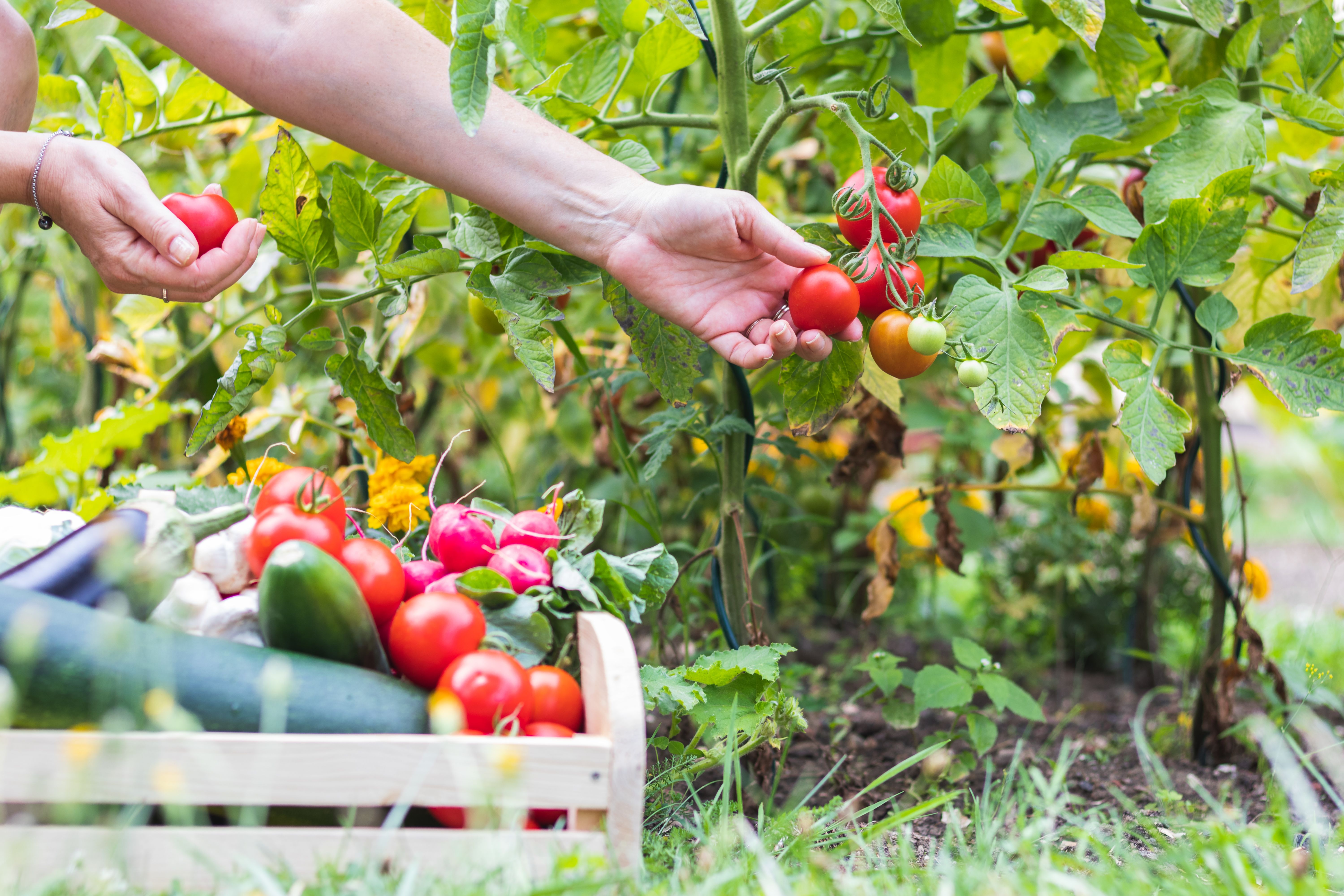
As summer arrives, the focus shifts to maintenance and harvesting. Regular watering, weeding, and pruning are crucial tasks that teach responsibility and patience. Participants can enjoy the literal fruits of their labor, which reinforces the benefits of hard work and dedication.
Introduce workshops on creating healthy meals with fresh produce. This can be a powerful way to connect the dots between gardening and overall well-being. Sharing meals made from the garden's bounty can also strengthen social bonds.
Autumn: Preparing for the Future
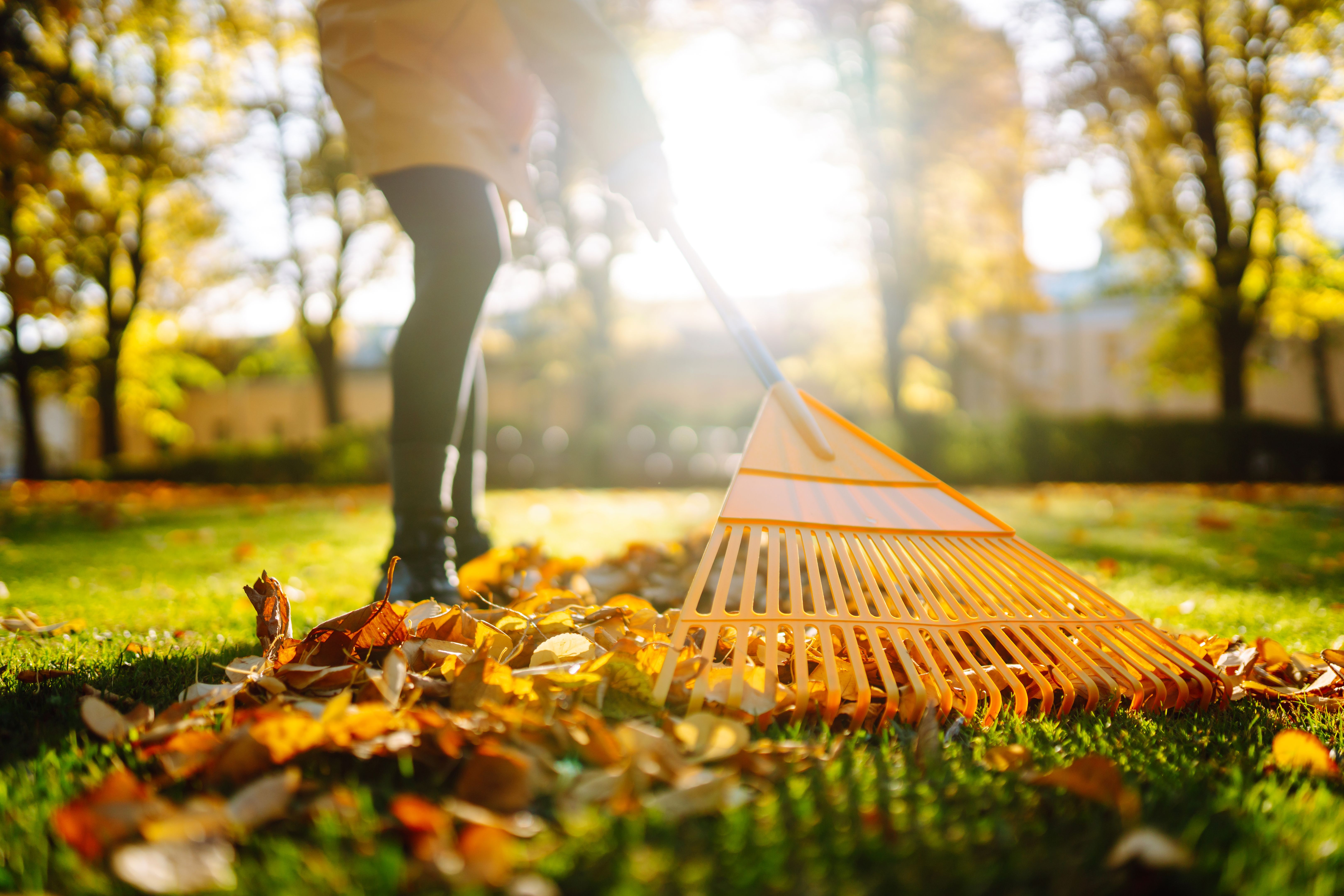
In autumn, the garden begins to wind down, but there are still plenty of activities to keep participants engaged. Focus on harvesting the remaining crops and preparing the garden for winter. This can include composting, which is an excellent way to teach sustainable practices.
Autumn is also a great time for reflection. Encourage participants to journal about their experiences in the garden and their personal growth. This practice can help them set goals for the next season and beyond.
Winter: Planning and Reflection
Though the garden may be dormant in winter, there is still much to be done. Use this time to plan for the upcoming year. Participants can research different plants, design garden layouts, and set new goals for their rehabilitation journey.
Winter workshops can focus on indoor gardening projects, such as creating terrariums or caring for houseplants. These activities can keep participants connected to nature, even when outdoor gardening isn't possible.
Conclusion
Integrating seasonal gardening into rehabilitation programs offers a holistic approach to healing. By aligning activities with the natural rhythms of the seasons, participants can experience a deeper connection to nature and themselves. This cyclical process of growth and reflection can be a powerful tool for personal transformation and recovery.