Success Stories: How Gardening Changed Lives Beyond Bars in Branford


Introduction to Gardening Programs
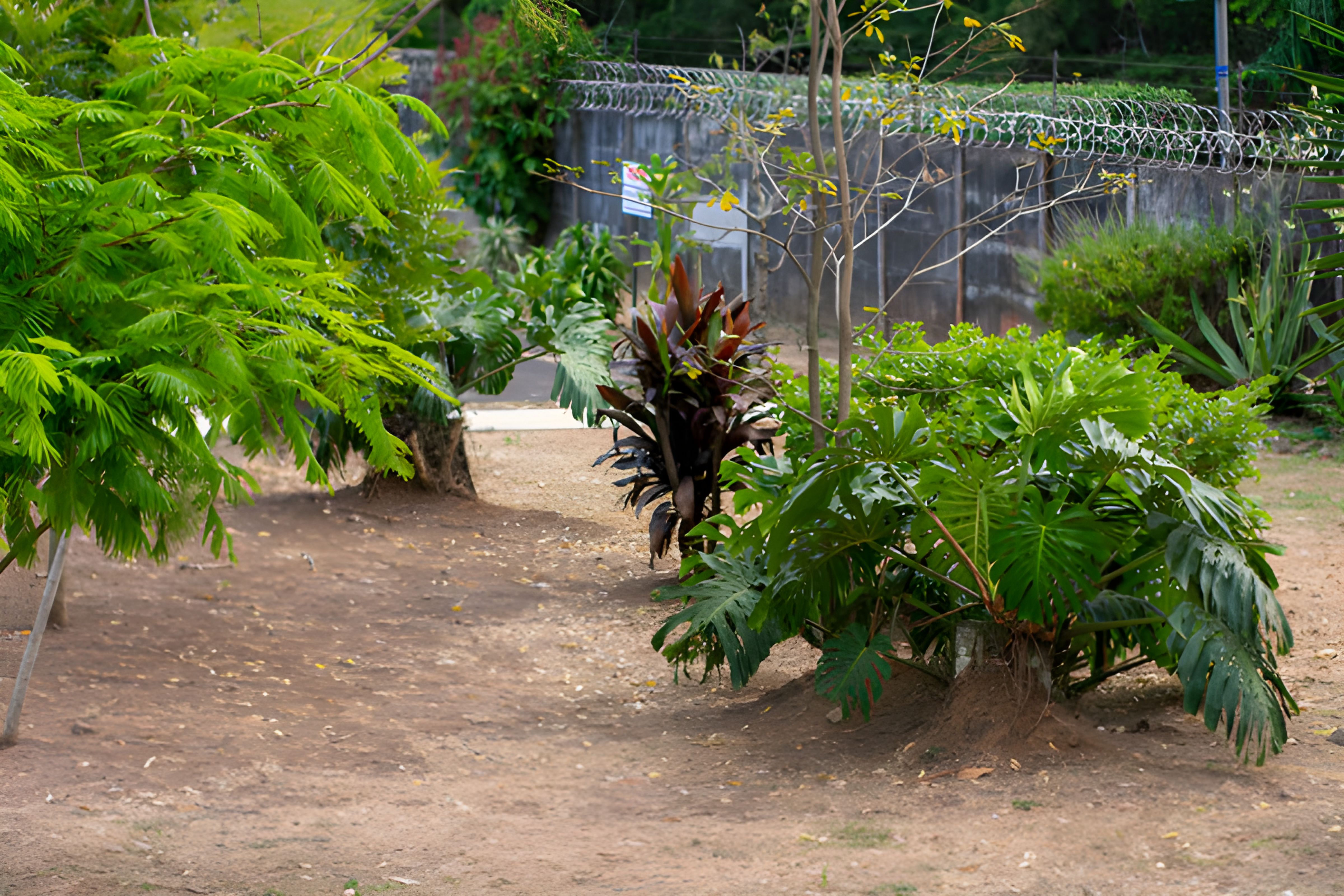
In recent years, innovative rehabilitation programs have emerged as a beacon of hope for inmates seeking positive change. One such initiative is the gardening program in Branford, which has transformed lives beyond the prison walls. By nurturing plants, inmates are also nurturing their own growth and development, creating a ripple effect of positive change.
The Birth of the Program
The gardening initiative in Branford began as a small pilot project aimed at providing inmates with a constructive outlet. The goal was to teach valuable skills while fostering a sense of responsibility and accomplishment. Over time, it has evolved into a robust program that impacts both the participants and the community.
Participants learn to cultivate a variety of plants, from vegetables to flowers, gaining hands-on experience in sustainable agriculture. This not only equips them with practical skills but also instills a sense of purpose and pride.
Skills and Benefits
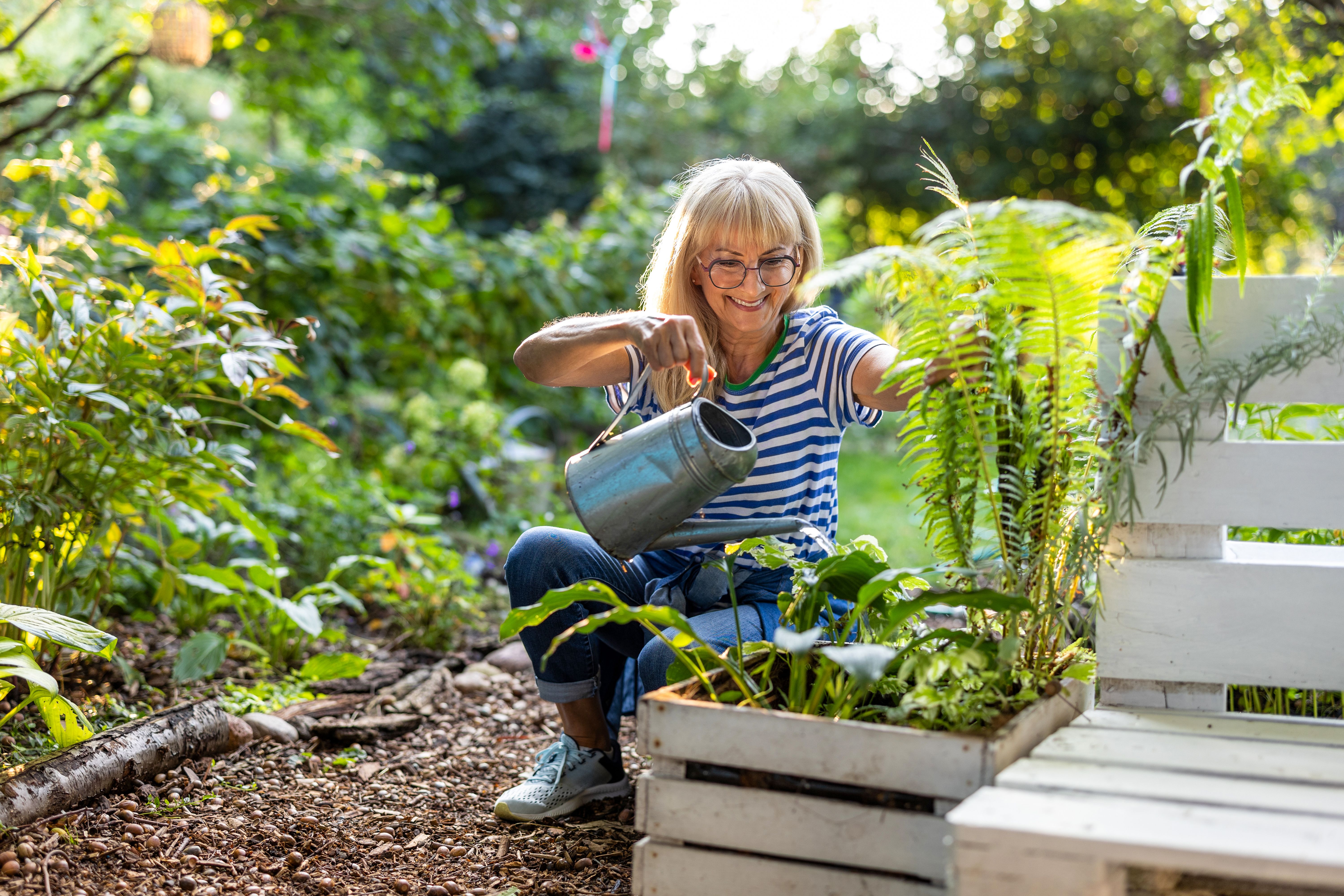
Engaging in gardening offers a unique set of benefits that go beyond the physical. Inmates report a reduction in stress and anxiety, a sense of peace, and improved mental health. The program also provides a platform for learning teamwork, patience, and problem-solving skills.
Community Impact
The impact of the gardening program extends beyond the prison walls, benefiting the local community in Branford. Produce grown by inmates is often donated to local food banks and shelters, providing fresh, healthy food to those in need. This creates a bridge between inmates and the community, fostering understanding and support.
Additionally, the program has inspired local residents to start their own community gardens, promoting sustainability and environmental awareness.
Success Stories
Many former inmates have shared inspiring success stories, crediting the gardening program for helping them reintegrate into society. Equipped with newfound skills and confidence, several participants have pursued careers in landscaping and agriculture, turning their lives around.

Challenges and Future Goals
While the program has seen tremendous success, it is not without challenges. Funding and resources are ongoing concerns, and there is always a need for more community support and volunteer involvement. Despite these challenges, the future looks bright for the Branford gardening program.
Future goals include expanding the program to reach more inmates and introducing advanced agricultural techniques. Continuous support from the community and local government will be crucial in achieving these objectives.
Conclusion
The gardening program in Branford is more than just a rehabilitation effort; it's a testament to the transformative power of nature and the resilience of the human spirit. By fostering growth both in plants and people, it offers a path to redemption and a second chance at life. With continued support, it promises to change even more lives in the years to come.