The Role of Garden Pathways in Rehabilitation Programs


The Healing Power of Nature
In recent years, the integration of garden pathways in rehabilitation programs has gained significant attention. These pathways are not only aesthetic additions but serve as crucial components in promoting healing and recovery. The combination of natural beauty and purposeful design provides a serene environment that fosters mental and physical well-being.
Research has shown that exposure to nature can lead to reduced stress levels and enhanced mood. Garden pathways, with their inviting walkways and lush surroundings, offer a tranquil escape from the clinical environment, providing patients with a sense of peace and encouragement.
Physical Rehabilitation Benefits
Enhancing Mobility and Strength
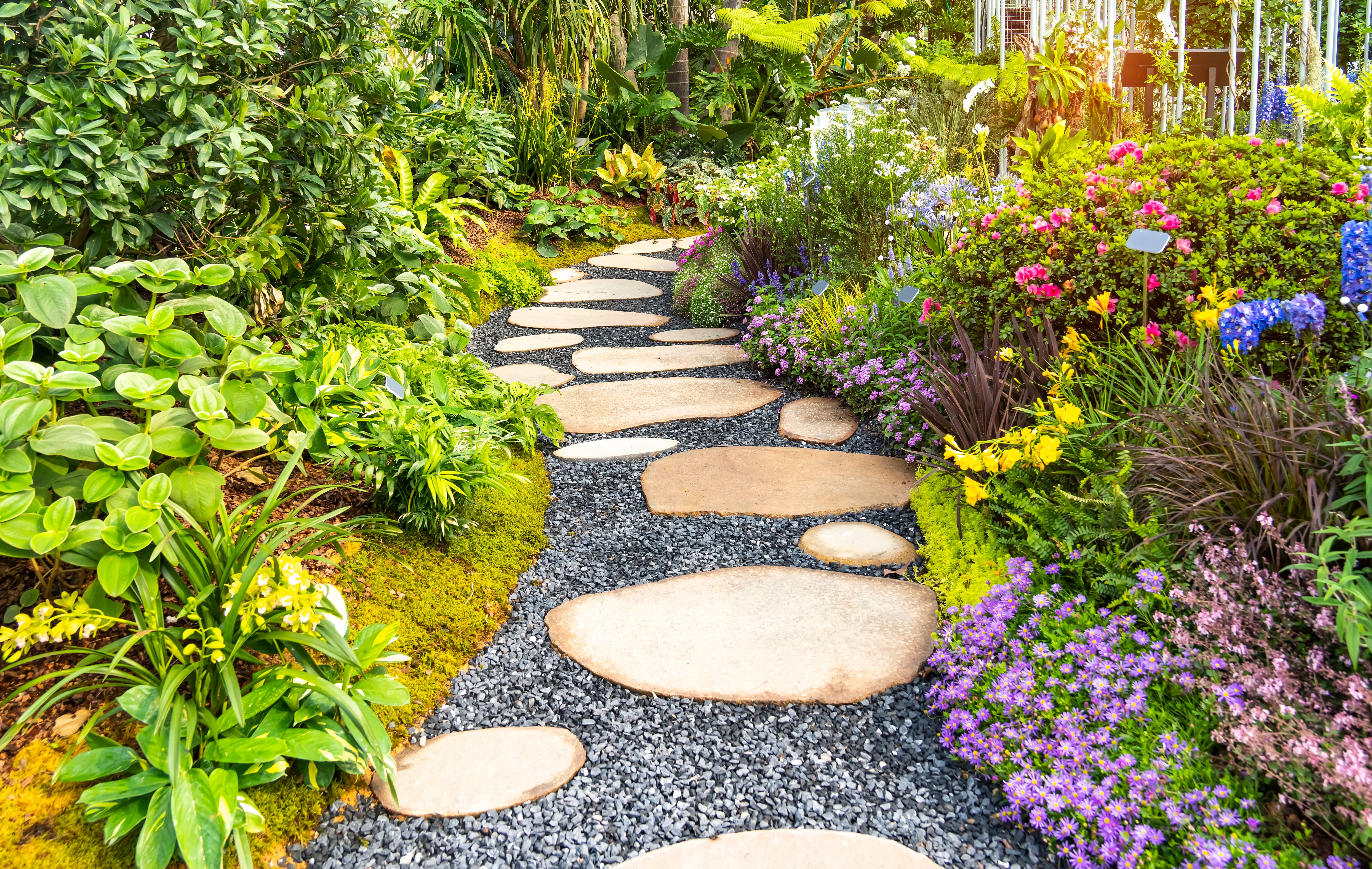
Garden pathways are designed with varying surfaces and gentle slopes to aid in physical rehabilitation. These elements encourage patients to engage in walking exercises, which can improve mobility, balance, and strength. For individuals recovering from surgeries or injuries, these pathways offer a safe and motivating space to practice movement.
Moreover, the natural setting of a garden pathway can distract from pain and discomfort, allowing patients to focus on the beauty around them rather than their limitations. This positive reinforcement can accelerate the healing process and build confidence.

Mental and Emotional Well-being
Reducing Anxiety and Stress
The calming effect of garden pathways extends beyond physical benefits. Engaging with nature has been shown to reduce anxiety and stress, which are common in rehabilitation settings. The soothing sounds of rustling leaves, the sight of vibrant flowers, and the fresh air all contribute to a sense of well-being.
Patients often find that spending time in these natural settings helps clear their minds, providing a mental break from the rigors of rehabilitation. This mental respite is crucial in maintaining motivation and a positive outlook during recovery.

Designing Effective Garden Pathways
Incorporating Therapeutic Elements
Effective garden pathways incorporate a variety of therapeutic elements to cater to diverse rehabilitation needs. Features like sensory gardens, which engage the senses through different textures, scents, and colors, play a significant role in stimulating cognitive functions and emotional responses.
Water features, seating areas, and interactive installations can also be included to enhance the therapeutic experience. By creating an environment that is both engaging and comforting, garden pathways become a valuable tool in rehabilitation programs.
Community and Social Interaction
Garden pathways also serve as communal spaces where patients can interact with one another, fostering a sense of community and support. Group activities such as guided walks or gardening workshops can be organized, encouraging social interaction and collaboration.
This social aspect is vital for mental health, as it helps patients build relationships and share experiences, reducing feelings of isolation and enhancing overall recovery.

Conclusion
Incorporating garden pathways in rehabilitation programs offers a holistic approach to healing, addressing both physical and emotional needs. By providing a natural and supportive environment, these pathways play a crucial role in promoting recovery and enhancing the quality of life for patients. As more rehabilitation centers recognize the value of nature-based therapies, garden pathways will likely become an integral part of future rehabilitation strategies.