Top 5 Myths About Therapeutic Gardening Workshops Debunked


Understanding Therapeutic Gardening Workshops
Therapeutic gardening workshops have gained popularity as a holistic approach to mental and physical wellness. However, several myths persist about what these workshops involve and their effectiveness. In this post, we'll debunk the top five myths surrounding therapeutic gardening workshops.
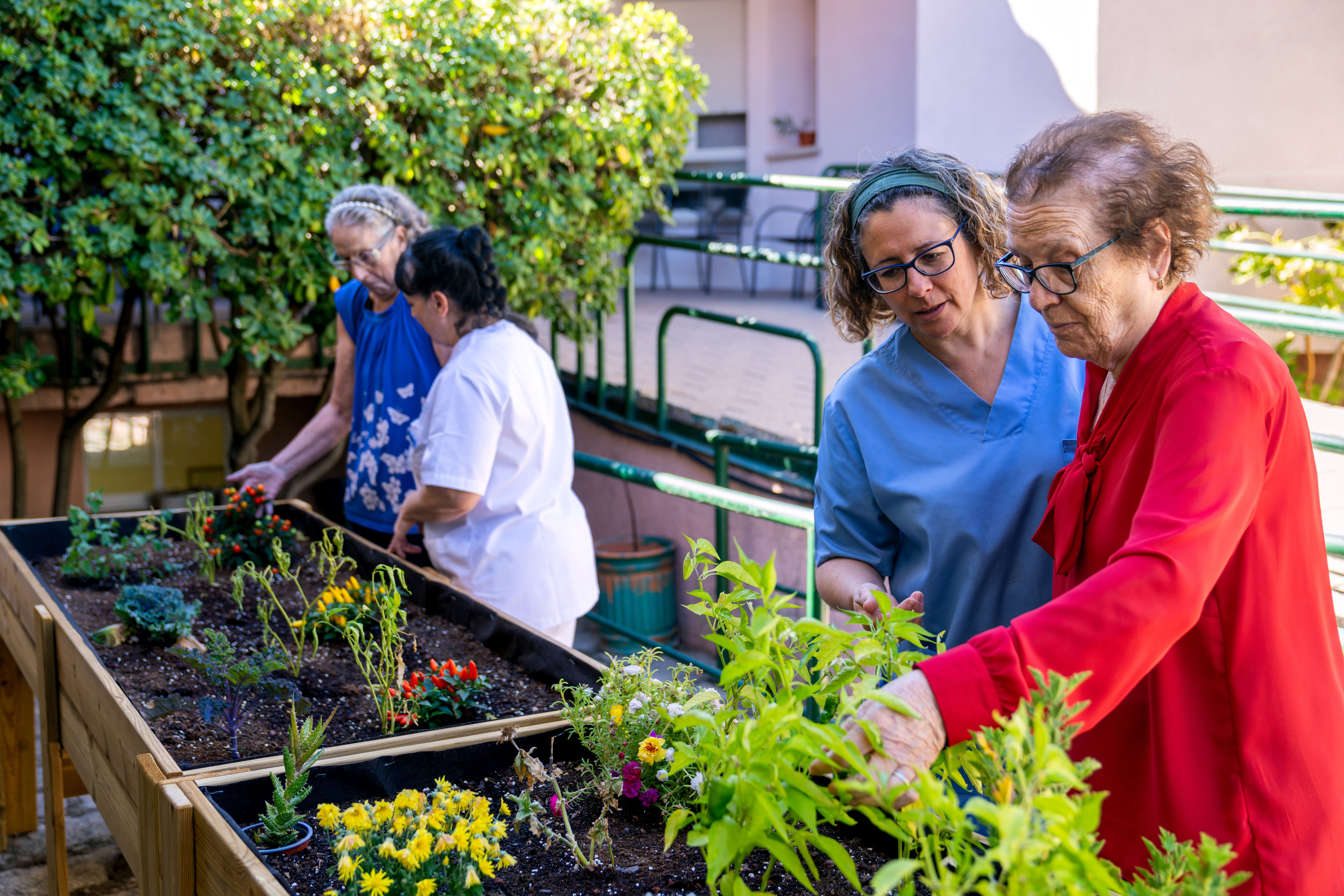
Myth 1: Only for Experienced Gardeners
One common misconception is that therapeutic gardening workshops are only suitable for experienced gardeners. In reality, these workshops are designed for everyone, regardless of their gardening expertise. Facilitators provide guidance and support, making it a welcoming environment for beginners and seasoned gardeners alike.
The goal is to engage participants with nature and its healing properties, not to test their gardening skills. Whether you’ve never planted a seed or have a thriving garden at home, you can benefit from the therapeutic aspects of these workshops.
Myth 2: Limited to People with Mental Health Issues
Another myth is that therapeutic gardening is exclusively for individuals with mental health challenges. While it's true that these workshops can be incredibly beneficial for mental health, they are also ideal for anyone seeking relaxation, stress relief, and a connection with nature.
Gardening has been shown to reduce stress, improve mood, and enhance overall well-being, making it suitable for a wide range of participants looking to enhance their quality of life.

Myth 3: Ineffective Compared to Traditional Therapy
Some people believe that therapeutic gardening is not as effective as traditional therapy methods. However, studies have demonstrated that gardening can complement traditional therapies by providing a calming, meditative environment that promotes healing.
Participating in gardening activities can lead to significant improvements in mental and physical health, offering benefits such as increased concentration, improved mood, and enhanced self-esteem.
Myth 4: Requires a Large Space
Many assume that you need a large outdoor area to participate in therapeutic gardening workshops. In fact, these workshops can be conducted in a variety of settings, including small urban spaces, community gardens, or even indoors with container gardening.
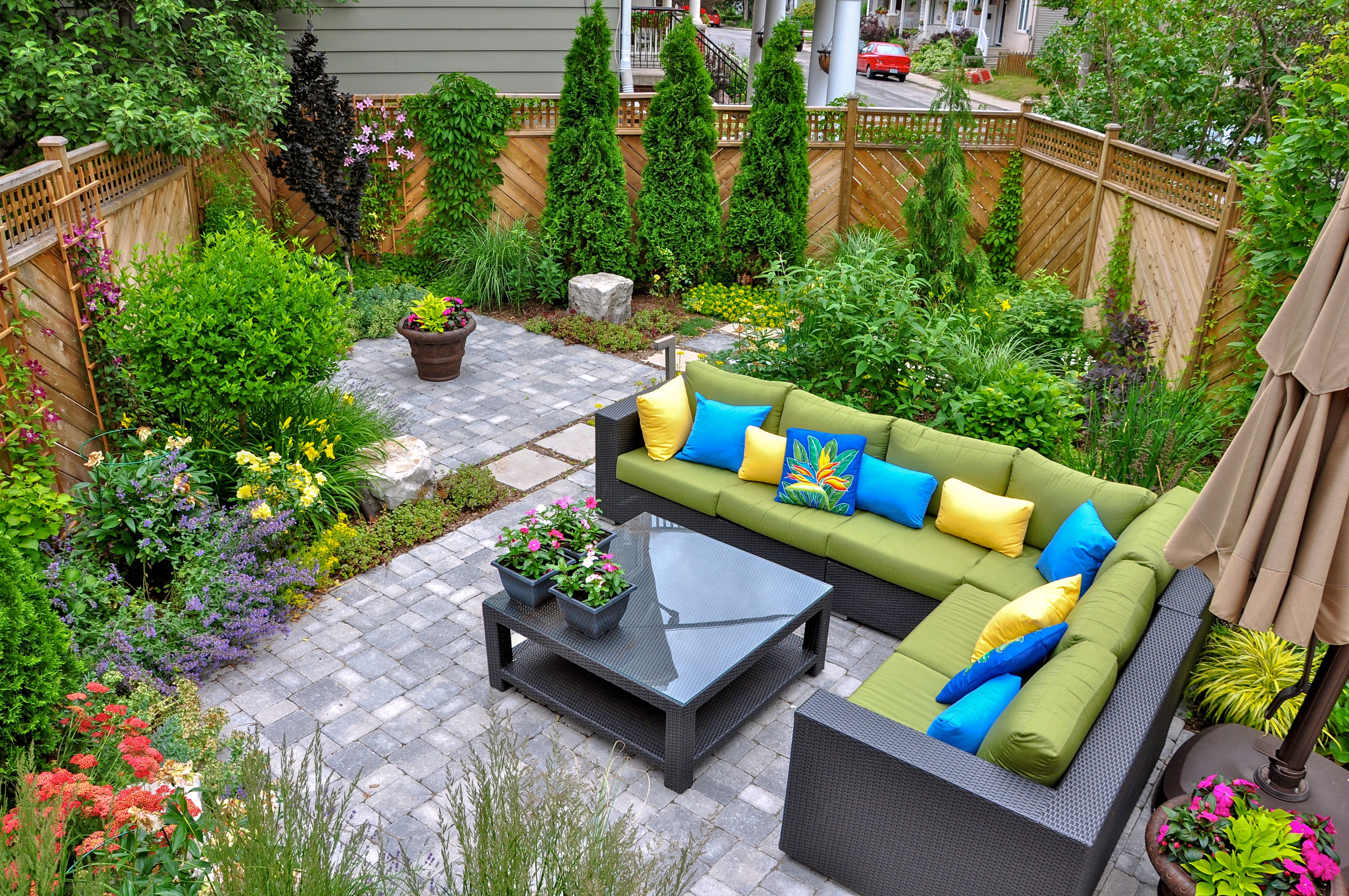
The focus is on the process and experience rather than the size of the garden. Participants can learn to cultivate plants in any environment, making it accessible to those living in urban areas or with limited space.
Myth 5: No Scientific Backing
Lastly, some skeptics claim that therapeutic gardening lacks scientific support. On the contrary, there is a wealth of research highlighting its benefits. Studies have shown that gardening can lower cortisol levels, reduce symptoms of anxiety and depression, and improve overall well-being.
Therapeutic gardening is a research-backed approach that offers numerous health benefits, making it a viable option for enhancing mental and physical health.
In conclusion, therapeutic gardening workshops are a versatile and accessible option for anyone looking to improve their well-being. By debunking these myths, we hope to encourage more people to explore the healing powers of gardening.