Transforming Communities: The Impact of Local Garden Pathways Programs


Introduction to Local Garden Pathways
Local garden pathways programs are transformative initiatives designed to bring communities together while promoting sustainability and environmental awareness. These programs utilize shared garden spaces to foster a sense of community and improve local ecosystems. As urban areas continue to expand, such initiatives are becoming increasingly important for both social and environmental reasons.
The impact of these programs goes beyond just beautifying neighborhoods. They encourage community engagement, provide educational opportunities, and support local food production. Let's explore how these pathways are reshaping communities.

Community Engagement Through Gardening
One of the most significant benefits of local garden pathways programs is the way they engage community members. By providing a shared space for gardening, these programs encourage people from diverse backgrounds to come together and collaborate. This sense of community can lead to increased social cohesion and a stronger neighborhood identity.
Additionally, these gardens become hubs for local events, workshops, and activities, further enhancing community bonds. Residents often find themselves participating in garden maintenance, workshops, and seasonal events, fostering a strong sense of ownership and pride.
Educational Opportunities
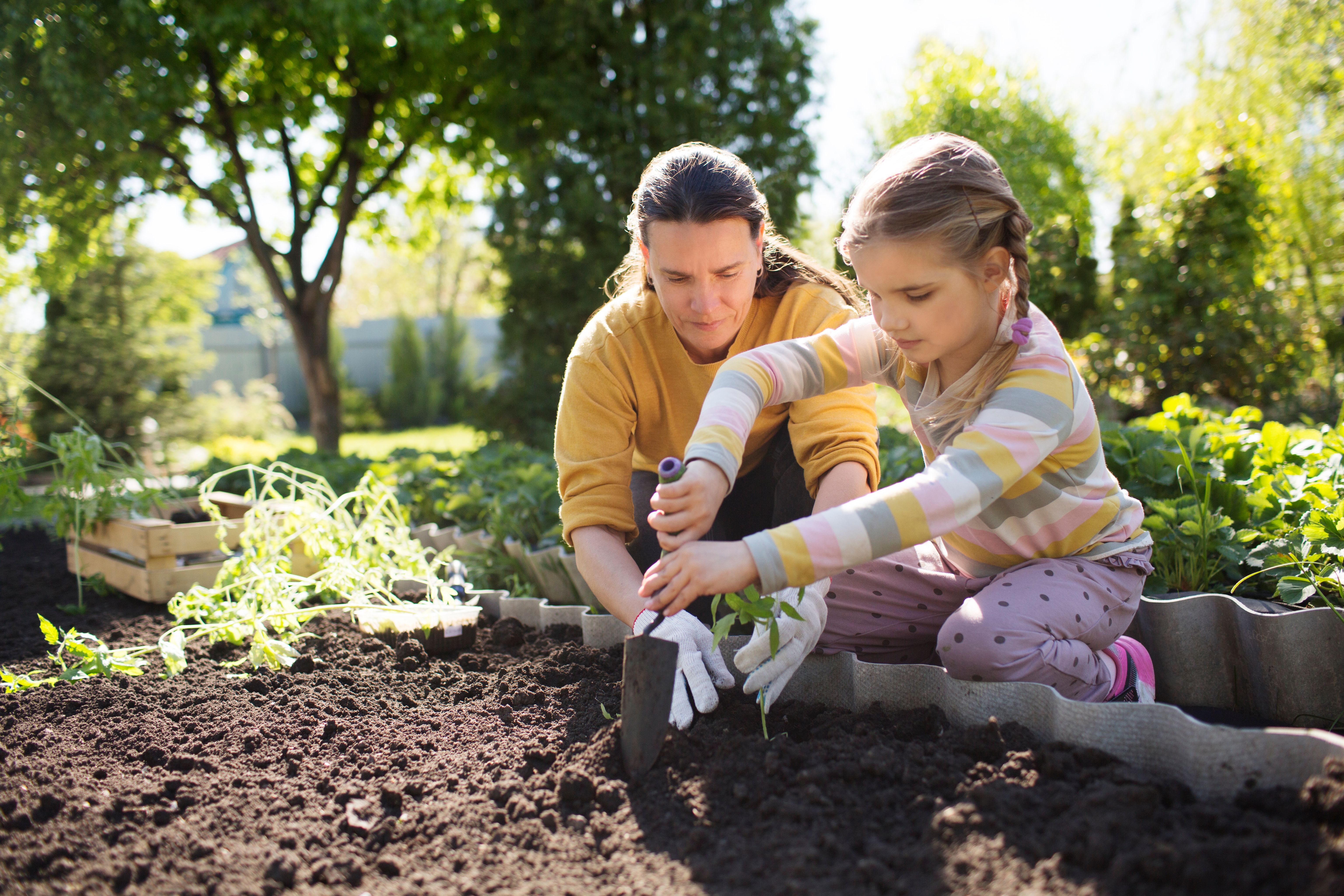
Local garden pathways provide valuable educational opportunities, especially for children and young adults. Schools often partner with these programs to offer hands-on learning experiences that cover topics such as plant biology, ecology, and sustainable agriculture. These interactive lessons not only enhance academic learning but also instill a sense of responsibility towards the environment.
Promoting Sustainability and Biodiversity
Another major impact of these programs is their contribution to sustainability and biodiversity. By converting unused or neglected urban spaces into thriving gardens, communities can create habitats for various plant and animal species. This not only enhances the local ecosystem but also helps combat urban heat and pollution.
Moreover, by promoting organic gardening practices, these programs encourage the reduction of chemical usage, leading to healthier soil and water systems. This emphasis on sustainability is crucial in today's rapidly changing environmental landscape.
Supporting Local Food Production
Local garden pathways programs also play a significant role in supporting local food production. Community gardens often produce a variety of fruits, vegetables, and herbs, which can help reduce food insecurity in urban areas. These gardens provide fresh, organic produce to residents, which can improve nutrition and overall health.

Challenges and Future Prospects
Despite their numerous benefits, local garden pathways programs face challenges such as funding, maintenance, and community participation. Securing financial support and sustaining long-term involvement are critical for the continued success of these initiatives.
Nevertheless, the future looks promising. With increasing awareness of environmental issues and community well-being, these programs are gaining more support from local governments and organizations. As more communities recognize their value, local garden pathways are set to become a staple in urban planning and community development.
Conclusion
Local garden pathways programs are powerful tools for transforming communities. By promoting community engagement, education, sustainability, and local food production, they offer numerous benefits that contribute to a healthier and more connected society. As these programs continue to evolve, they provide a beacon of hope for building resilient and vibrant communities.